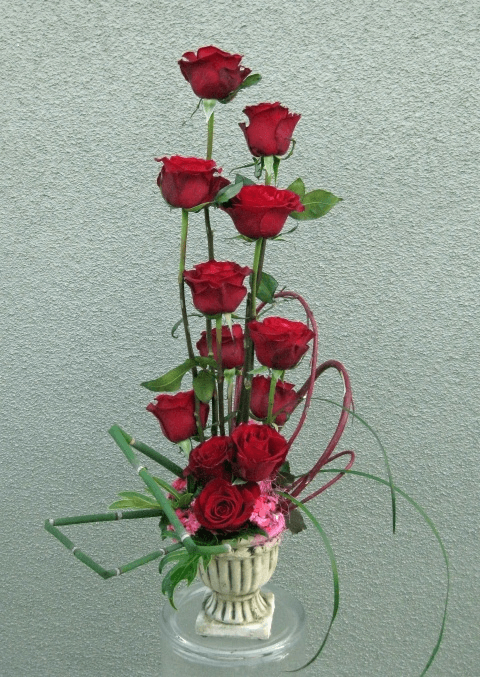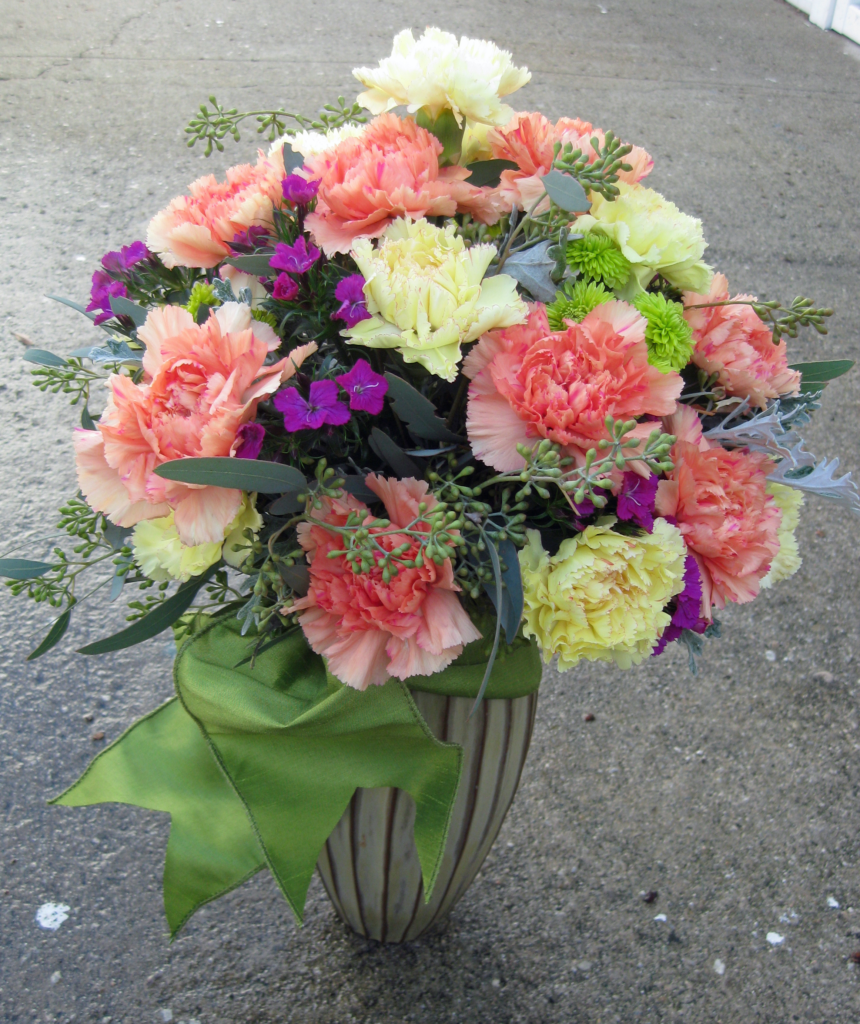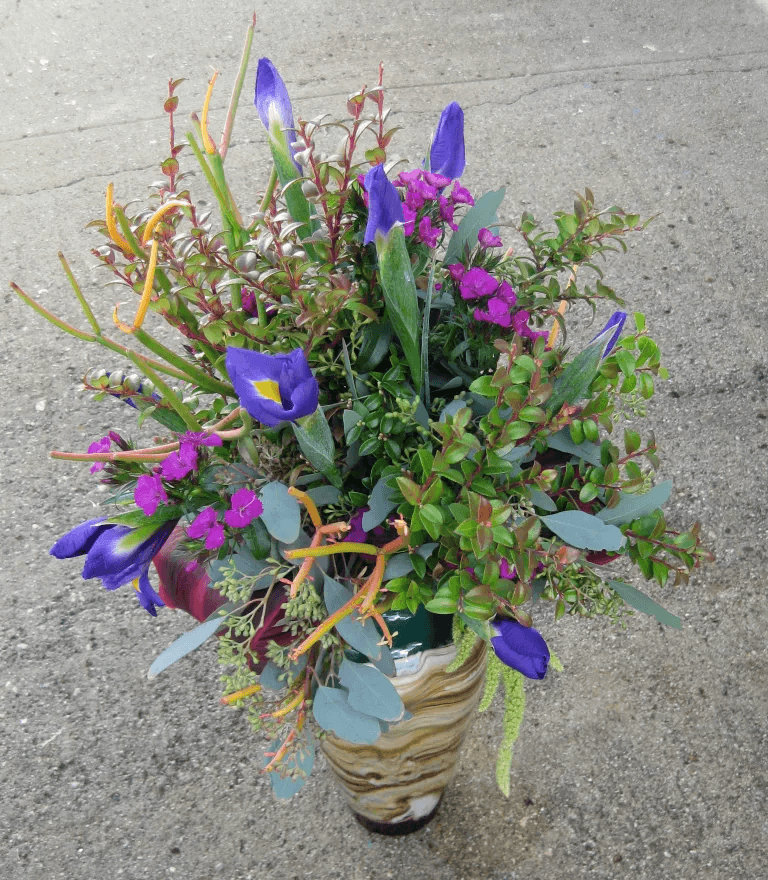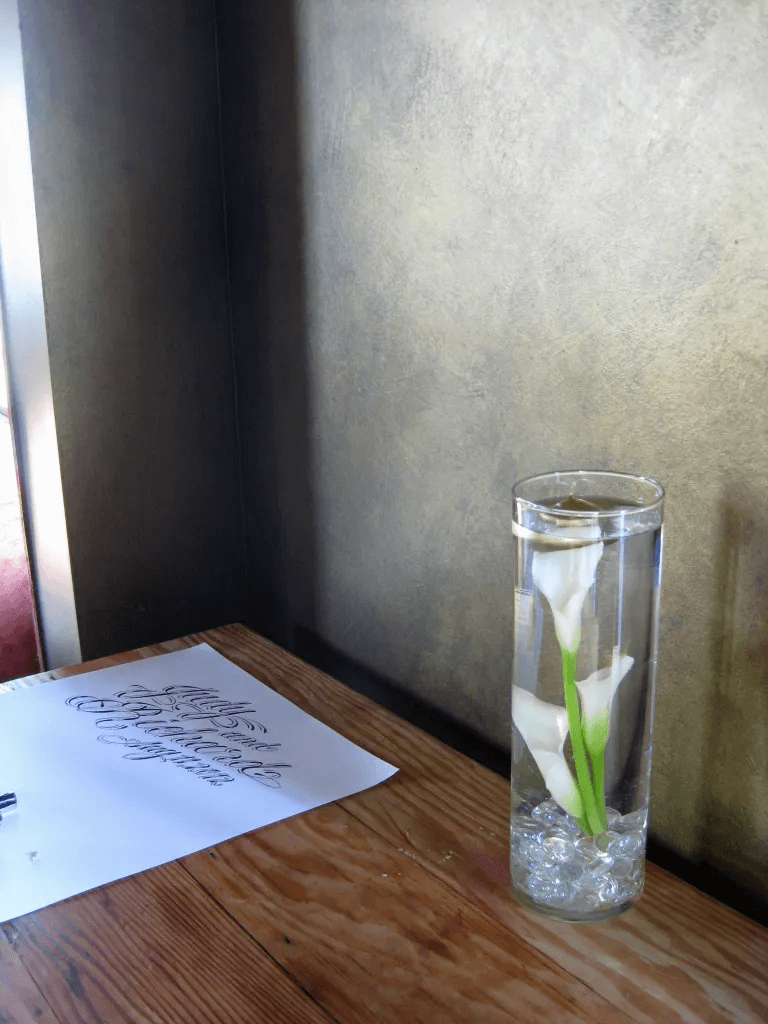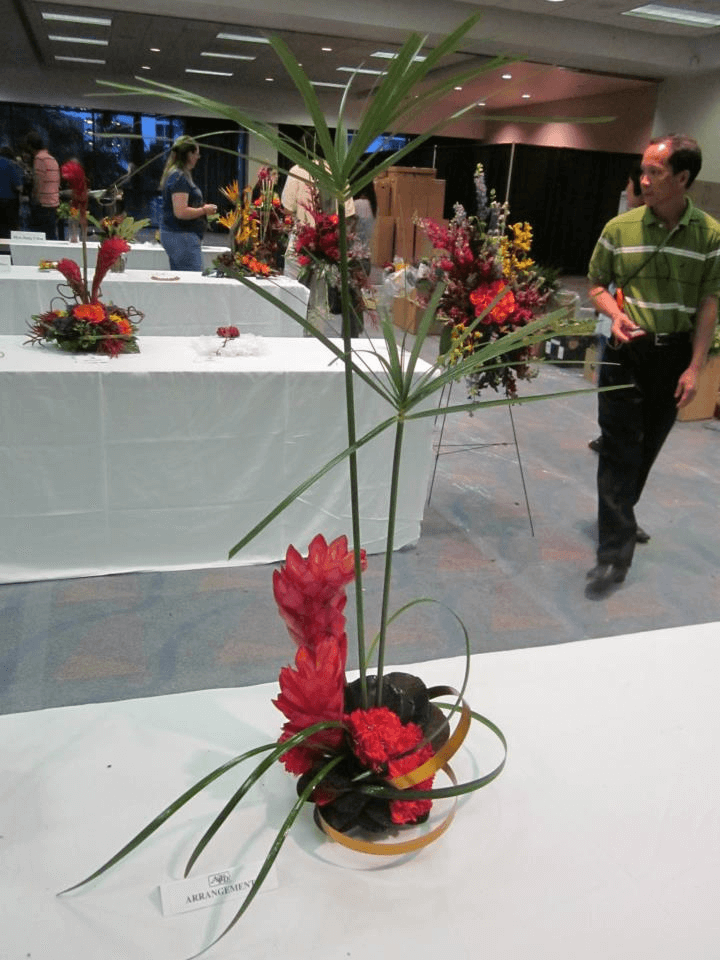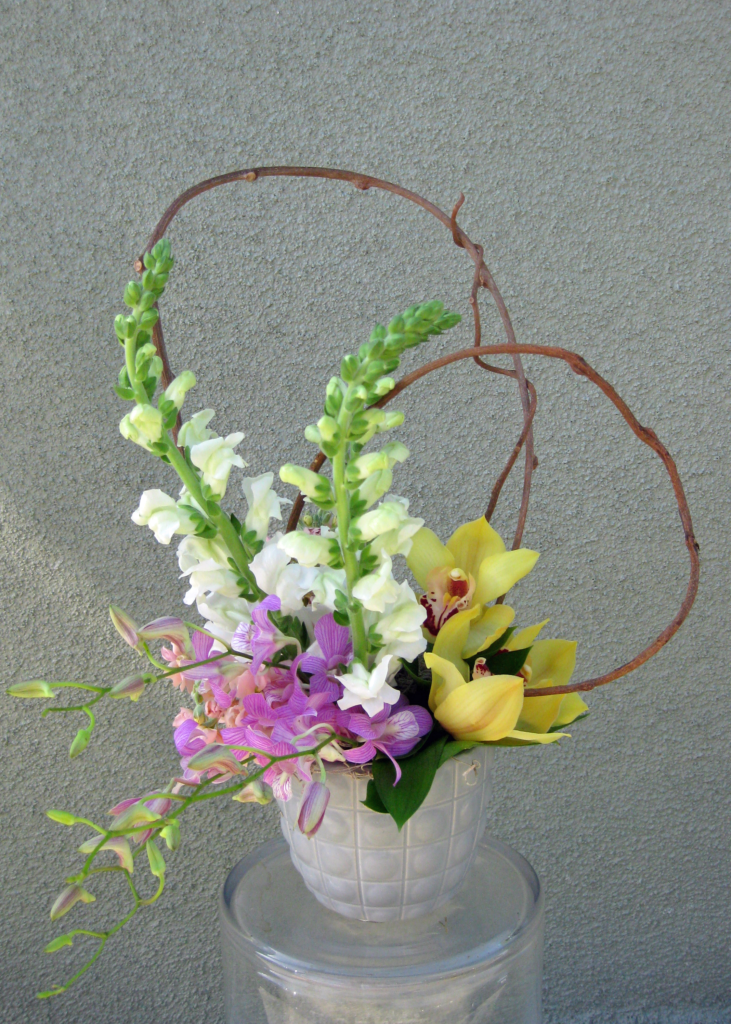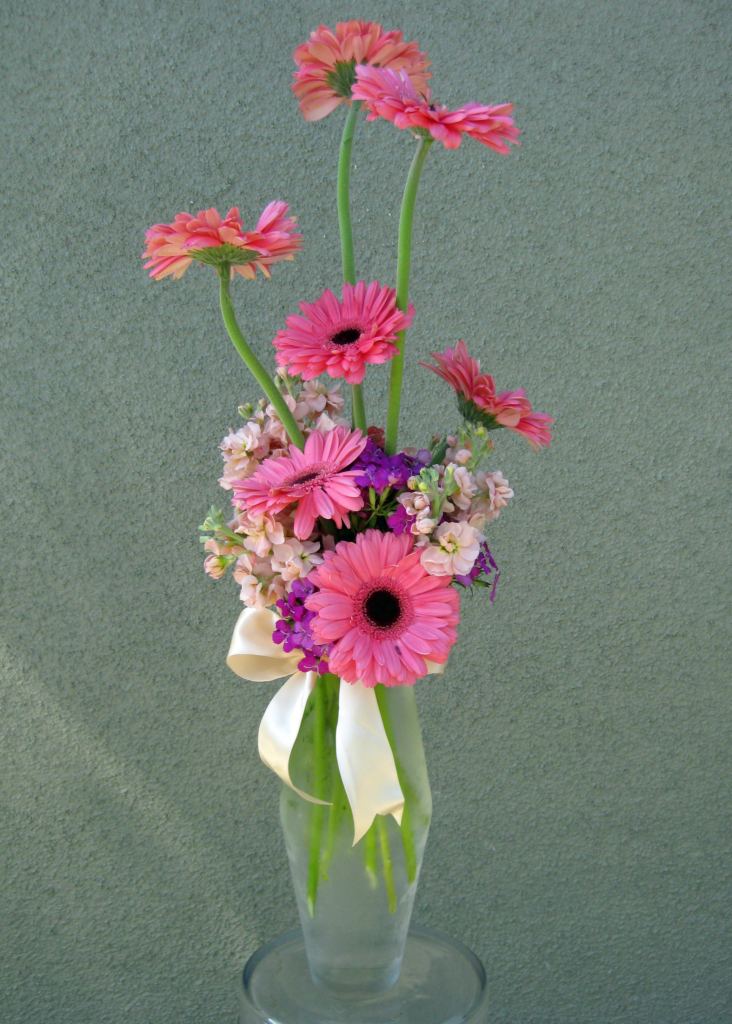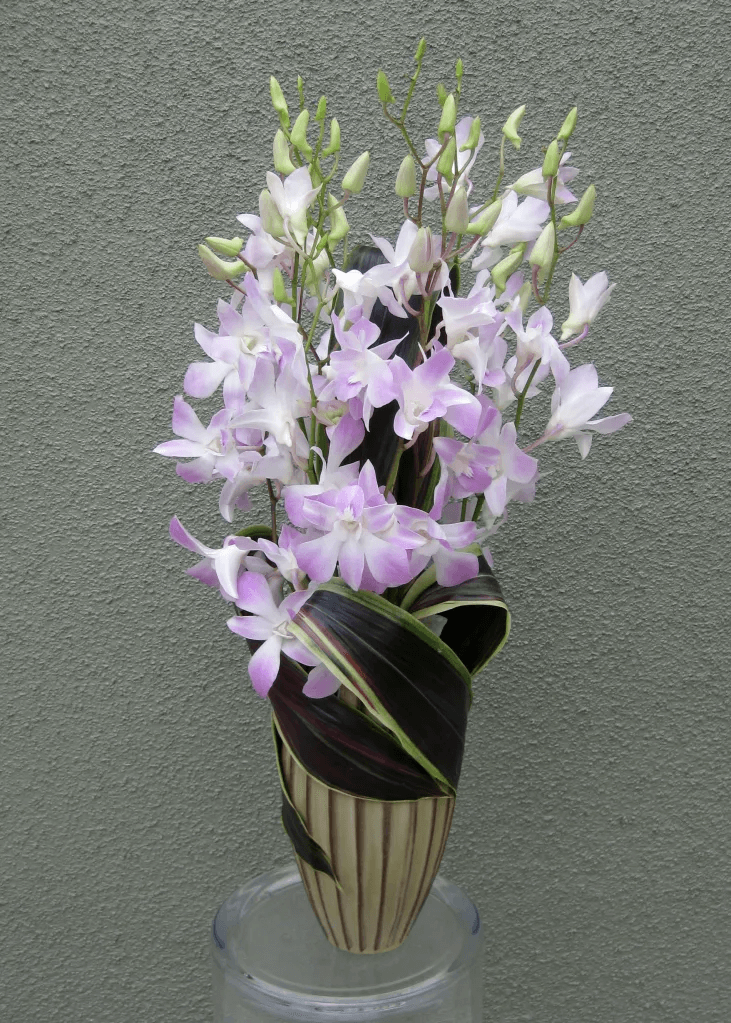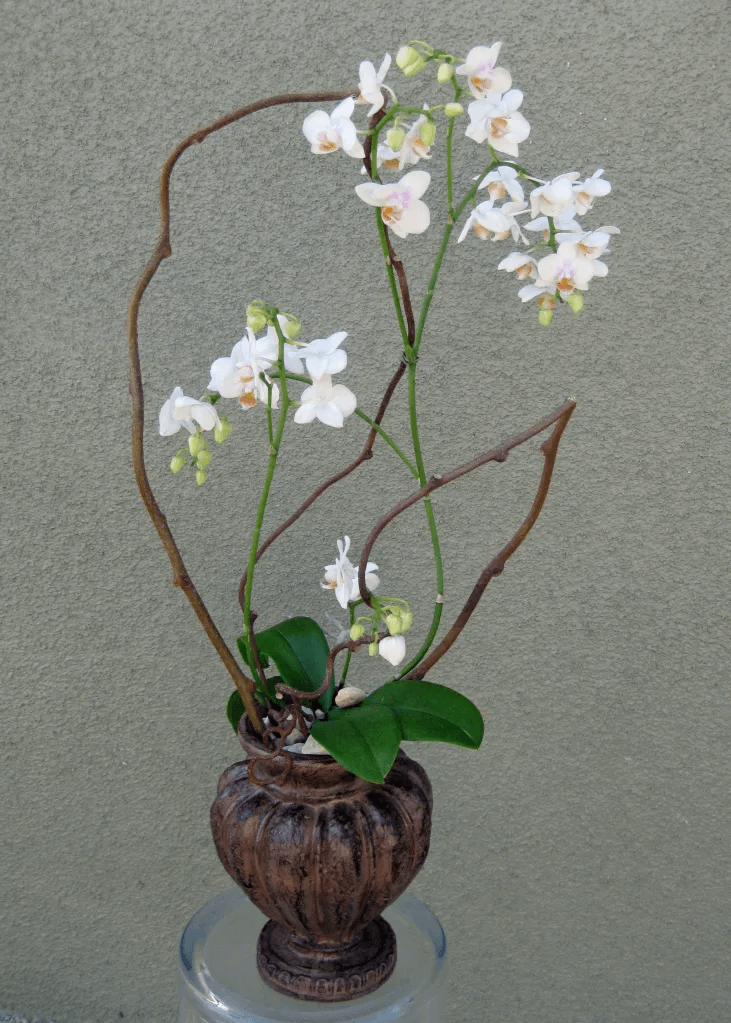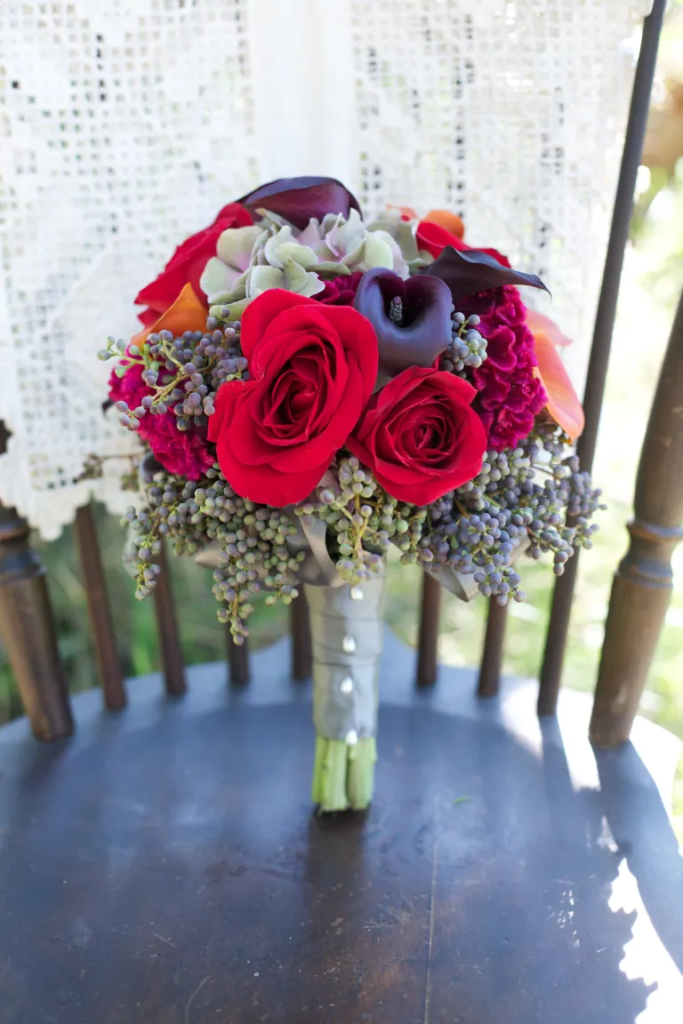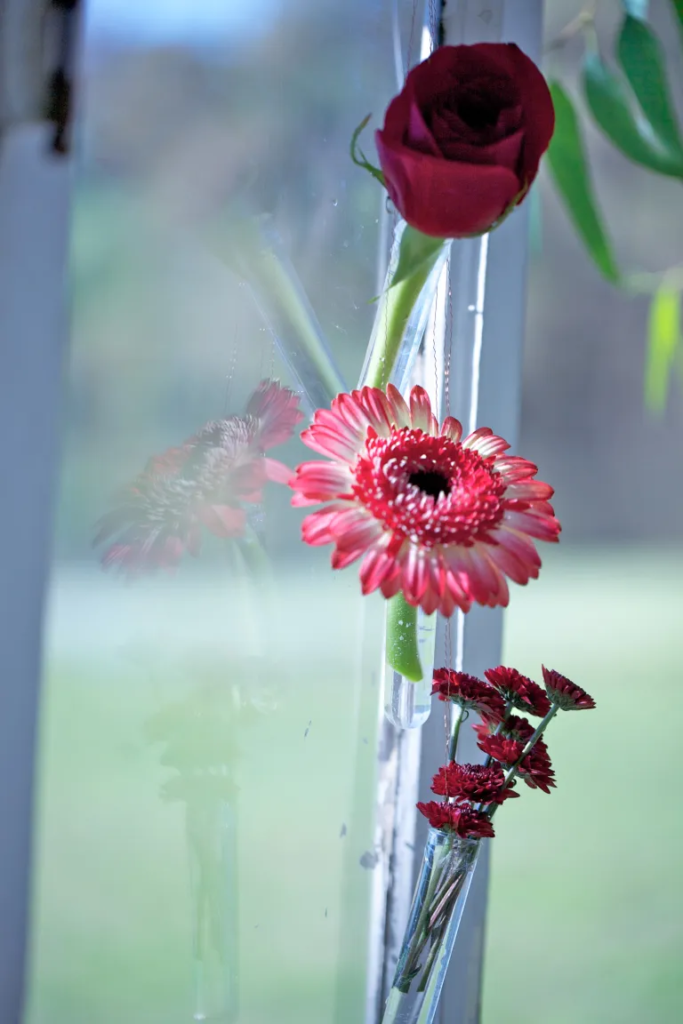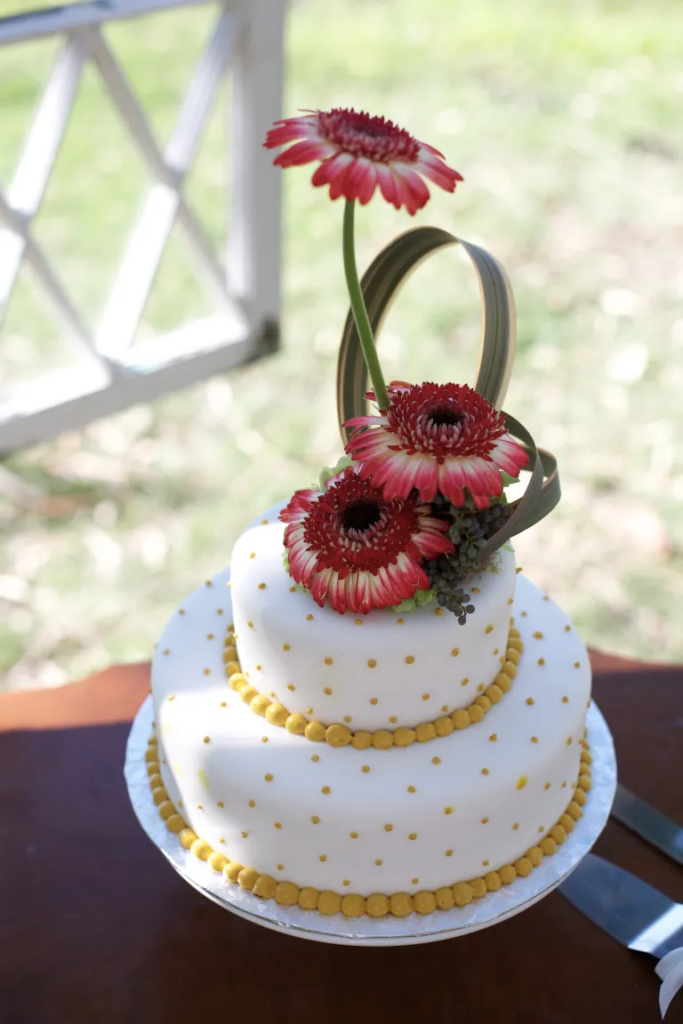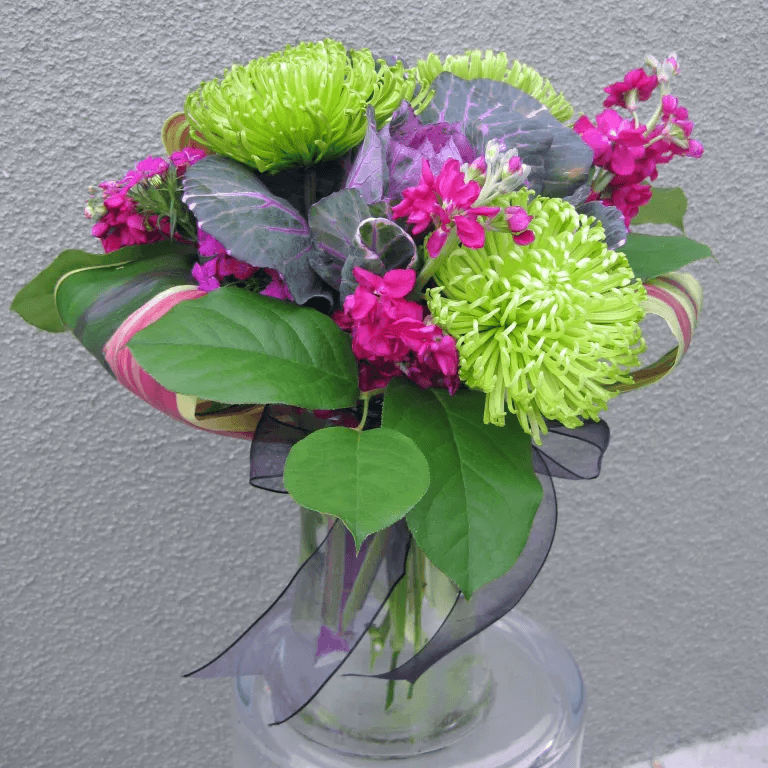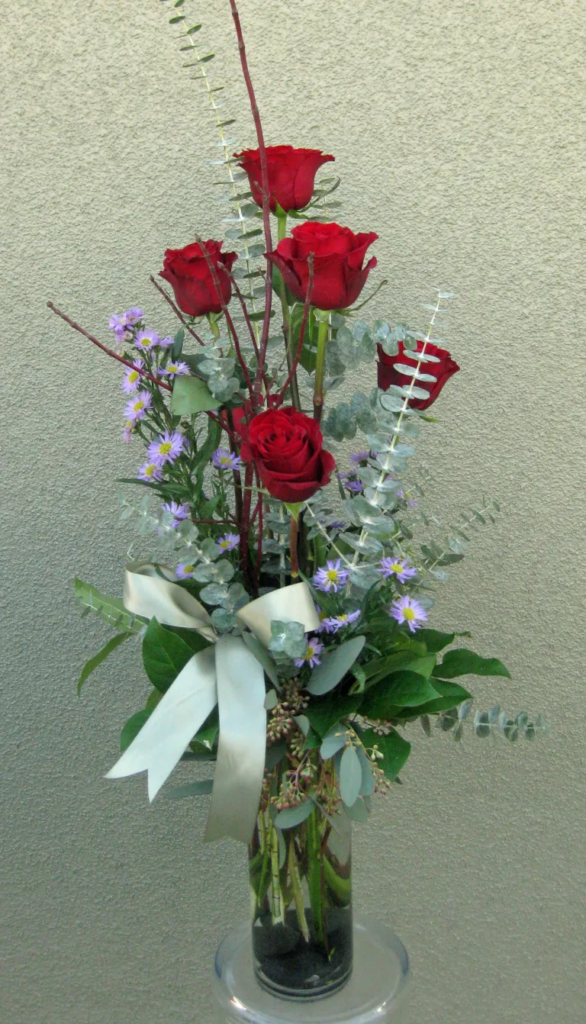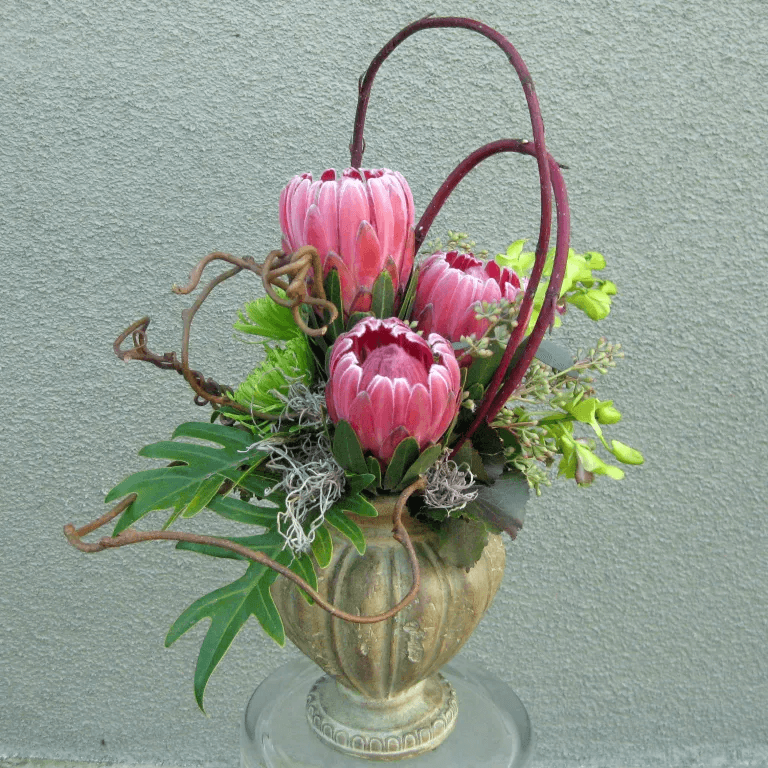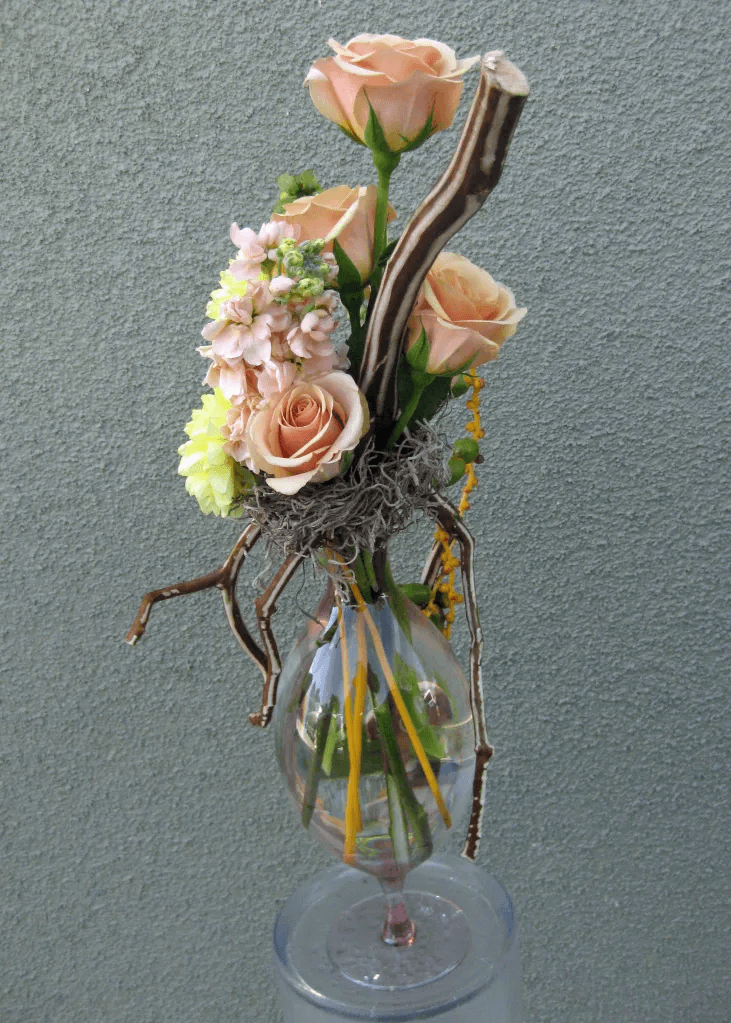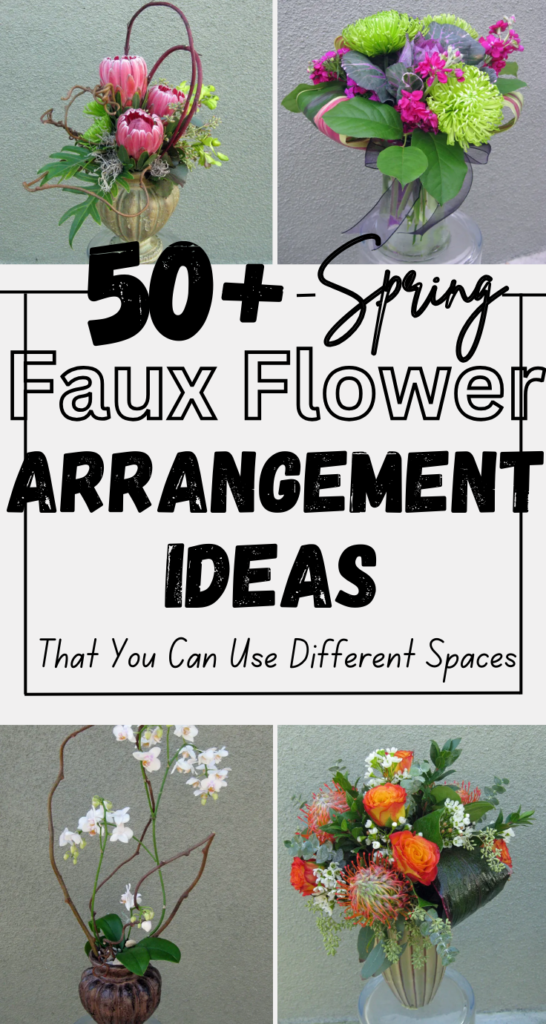
Faux flower arrangements have come a long way. Today’s artificial flowers look incredibly realistic, last all year, and require zero maintenance—making them perfect for busy homes and seasonal decorating.
Whether you love decorating for spring or want long-lasting floral beauty, faux arrangements are an easy and stylish solution.
In this guide, you’ll learn how to create faux flower arrangements that look natural, balanced, and professionally styled.
I always save posts like this for myself, because one faux flower idea is never enough. Bookmark this guide so you can mix, match, and try different faux arrangements anytime you feel like refreshing your space.
If You Are Totally New I Share A Complete Faux Arrangement Video At The Last Of The Blog
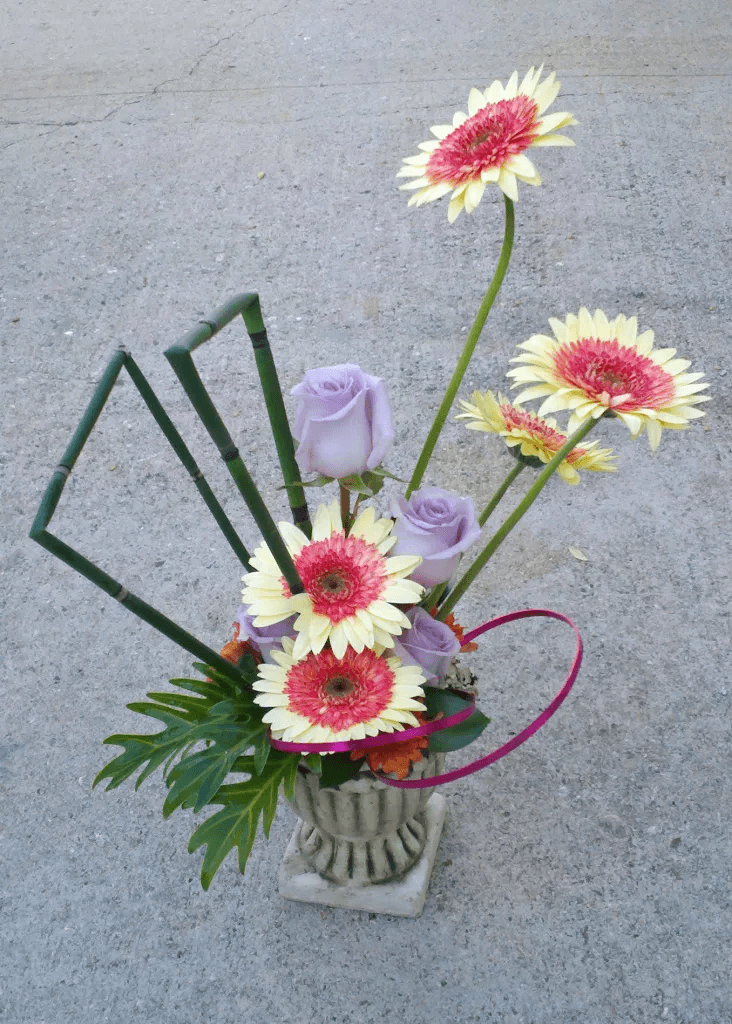
Why Choose Faux Flowers?
Faux flowers are no longer stiff or plastic-looking. High-quality options now mimic real blooms in color, texture, and movement.
Benefits of faux flower arrangements:
- No watering or sunlight required
- Perfect for allergy-friendly homes
- Long-lasting and reusable year after year
- Ideal for hard-to-reach areas like shelves or entryways
They’re especially popular for spring decor because they stay fresh-looking all season.
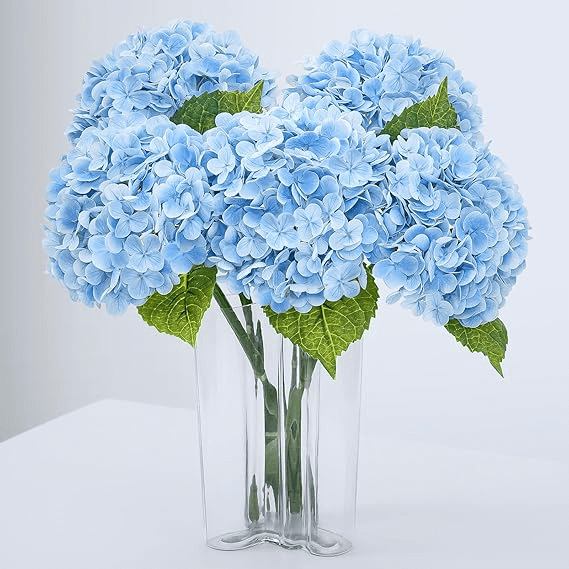
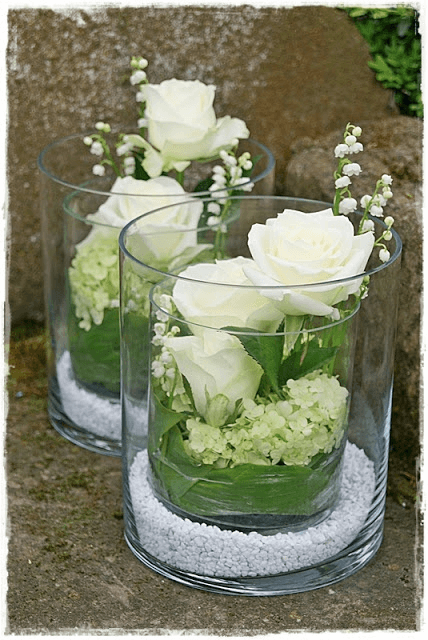
Step 1: Choose High-Quality Faux Flowers
The secret to realistic arrangements starts with the flowers themselves.
What to look for:
- Soft, bendable stems (avoid stiff plastic)
- Natural color variations, not flat colors
- Detailed petals with slight imperfections
Popular spring faux flowers include:
- Tulips
- Peonies
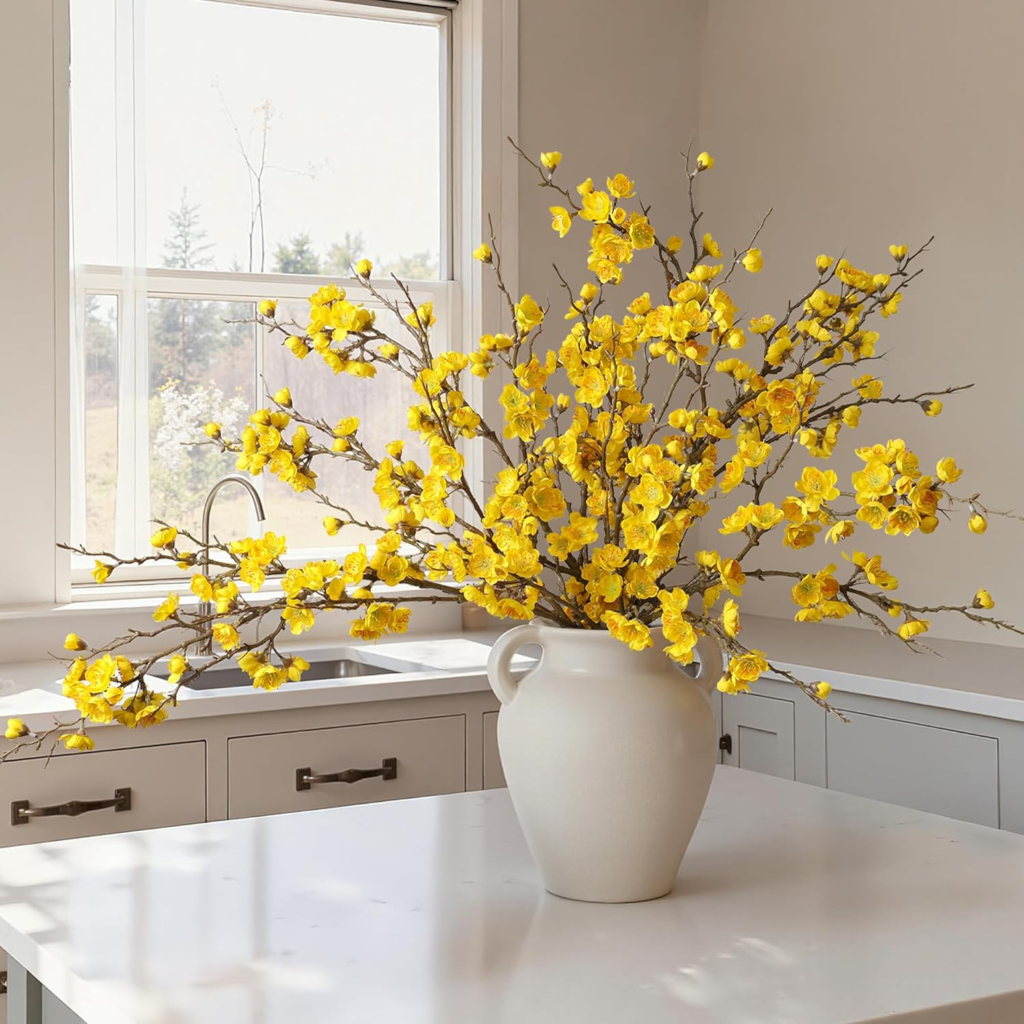
- Cherry blossoms
- Ranunculus
- Eucalyptus and greenery stems
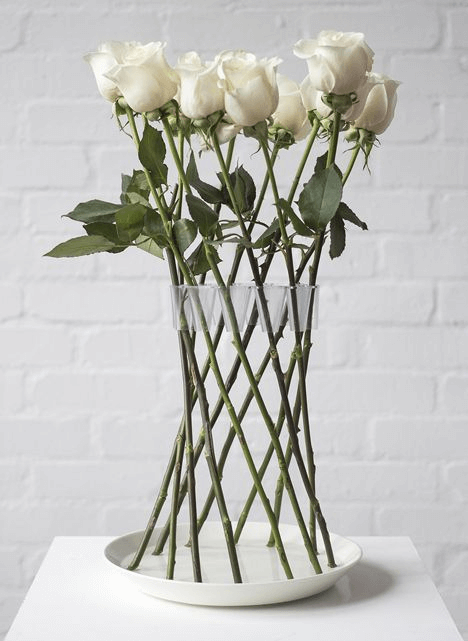
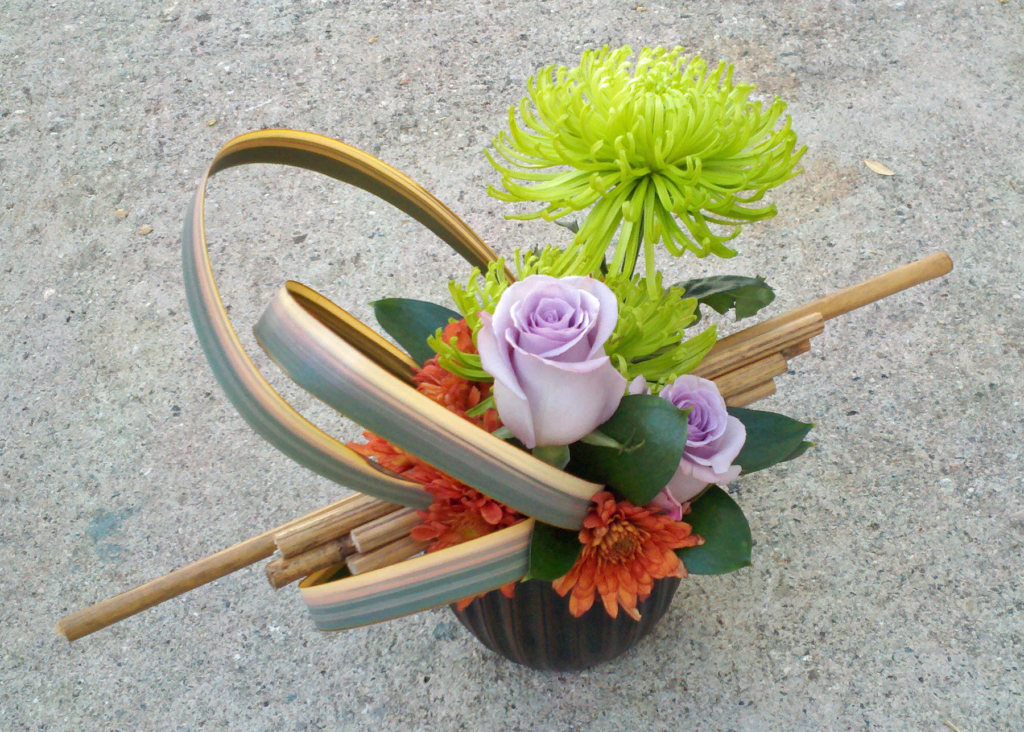
Step 2: Pick the Right Vase
The vase sets the foundation for your arrangement.
Best vase styles for spring:
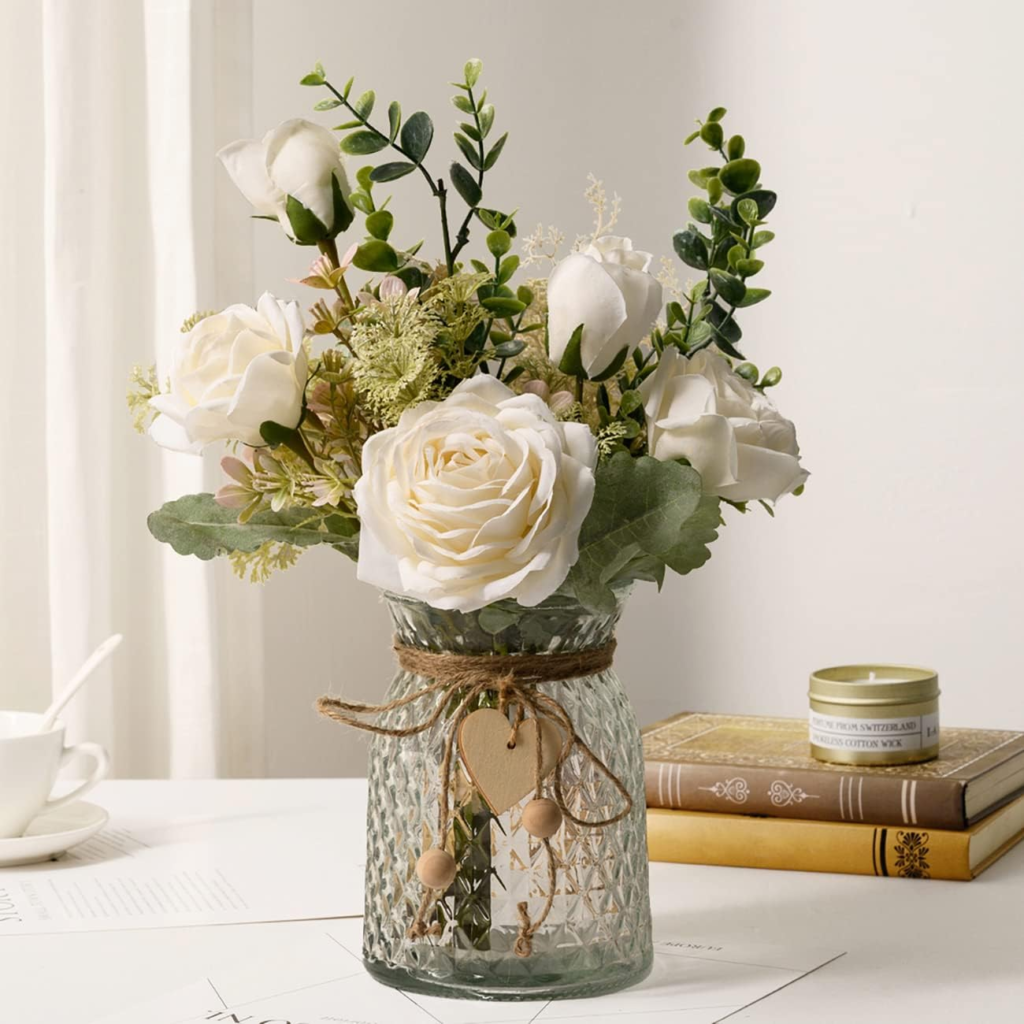
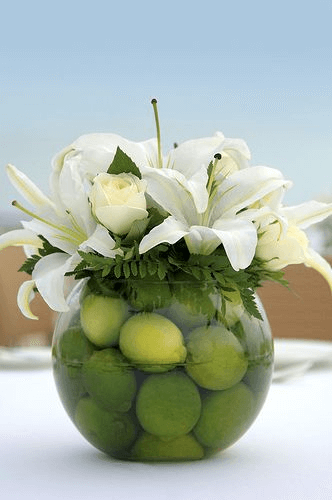
- Clear glass for a fresh, airy look
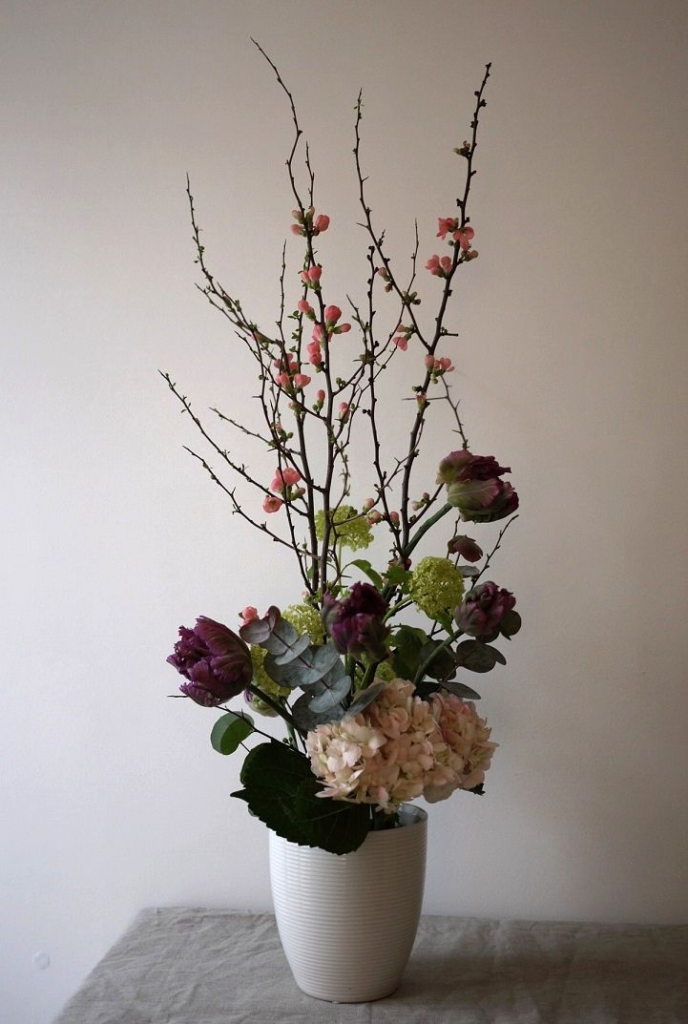
- Ceramic vases in white or neutral tones
- Light wood or textured stone vases
Pro tip: Use a vase that’s slightly wider than the flower bundle so stems can spread naturally.
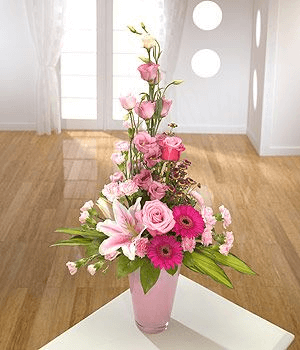
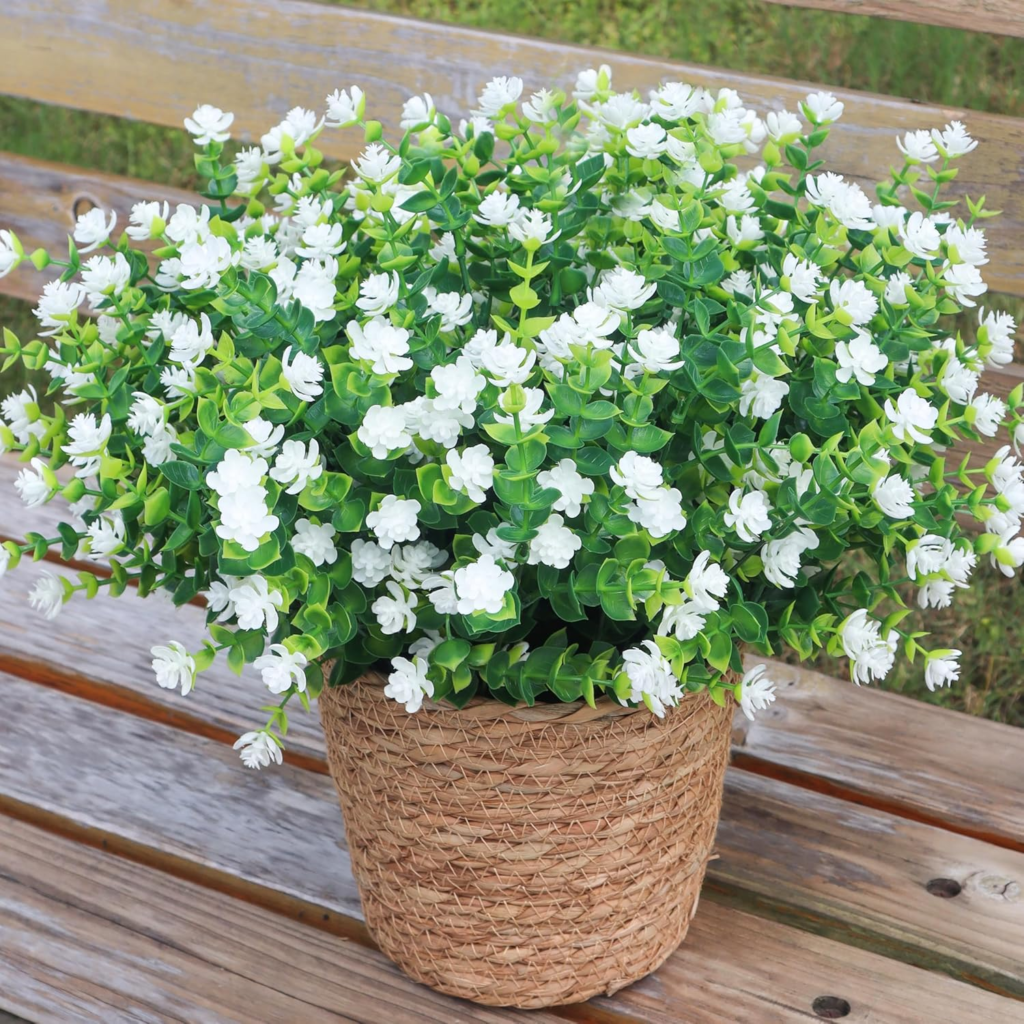
Step 3: Build a Natural Base with Greenery
Start your arrangement with greenery before adding flowers.
- Place eucalyptus, olive branches, or fern stems first
- Angle them outward instead of straight up
- Vary heights for depth and movement
Greenery helps the arrangement look fuller and more organic.
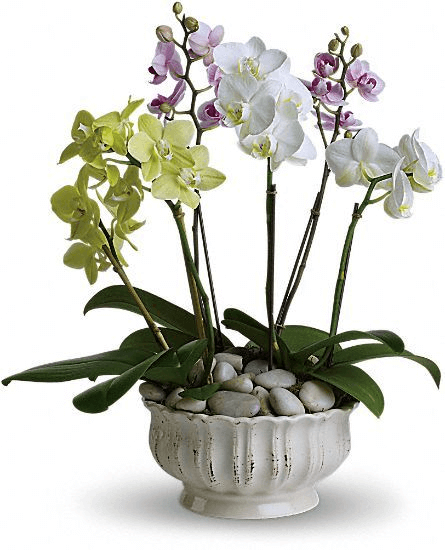
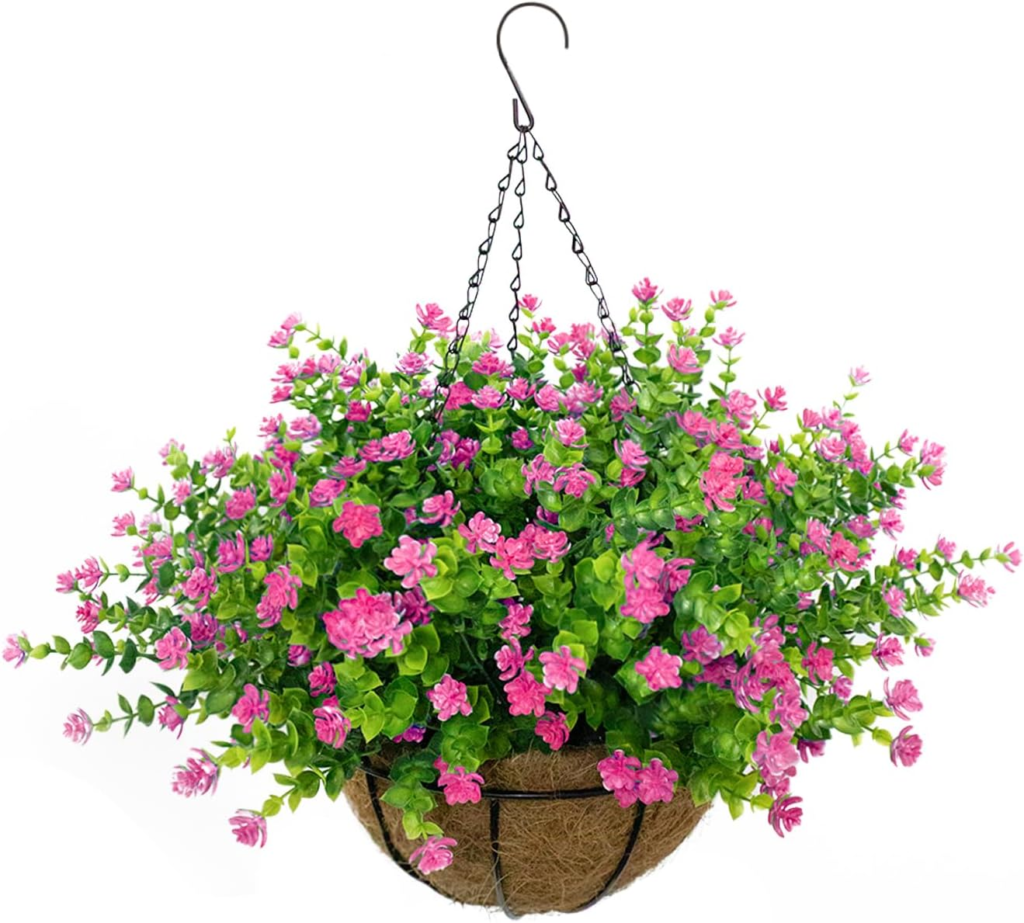
Step 4: Add Flowers in Odd Numbers
Odd numbers feel more natural to the eye.
- Use 3, 5, or 7 flower stems
- Place larger blooms first, then fill gaps
- Avoid perfect symmetry—nature is imperfect
Let some stems lean slightly to create softness.
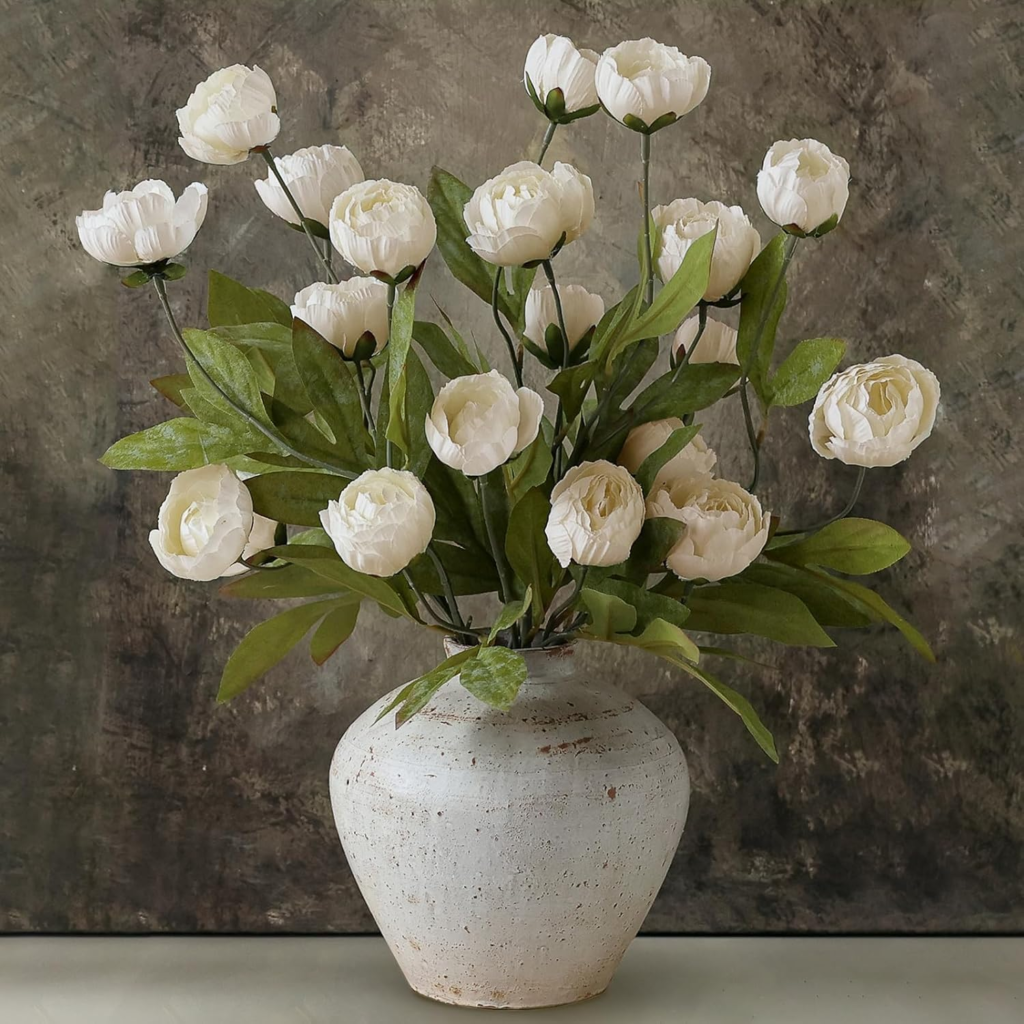
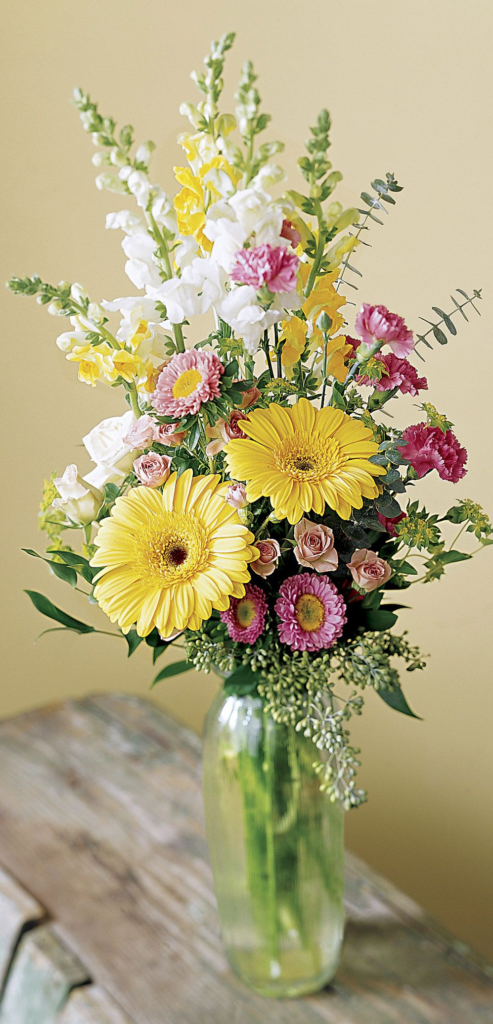
Step 5: Bend and Shape the Stems
Never place faux flowers straight from the package.
- Gently bend stems to mimic real growth
- Adjust flower heads so they face different directions
- Create movement rather than stiffness
This step makes the biggest difference in realism.
Step 6: Use the “Real Touch” Trick
Add a small amount of realism with simple styling tricks:
- Mix in one real branch if possible
- Add faux water or clear resin to glass vases
- Lightly dust petals with a dry cloth for softness
These small details elevate the entire arrangement.
Best Places to Style Faux Flower Arrangements
- Dining table centerpieces
- Entryway consoles
- Coffee tables
- Kitchen counters
- Bathroom shelves
Use smaller arrangements in bathrooms and kitchens, and larger statement pieces in living rooms or entryways.
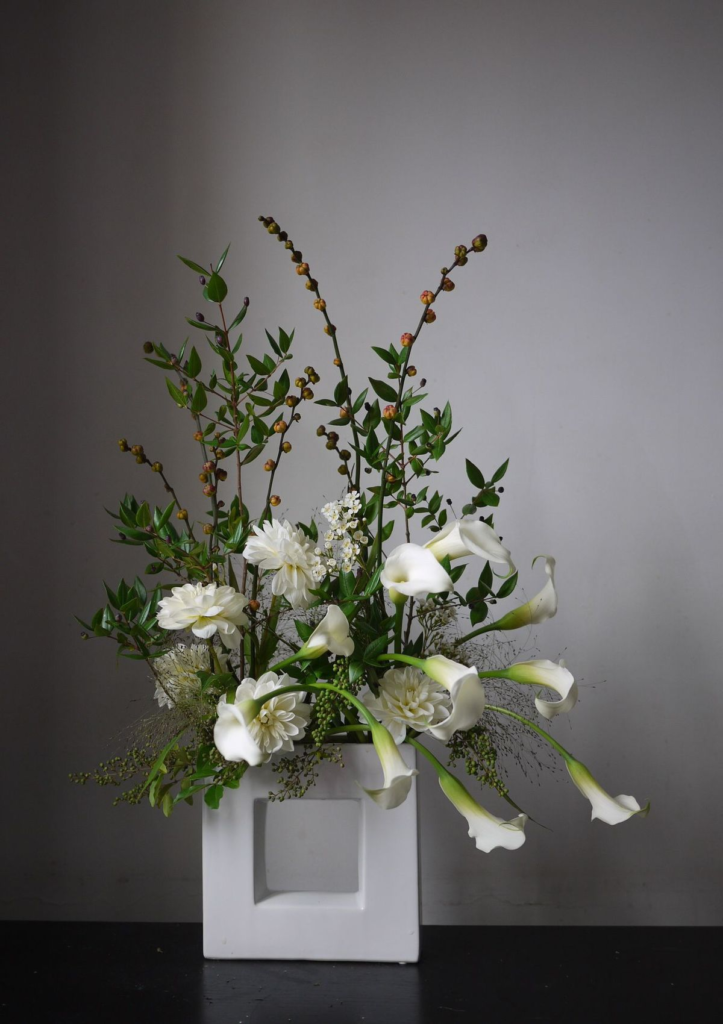
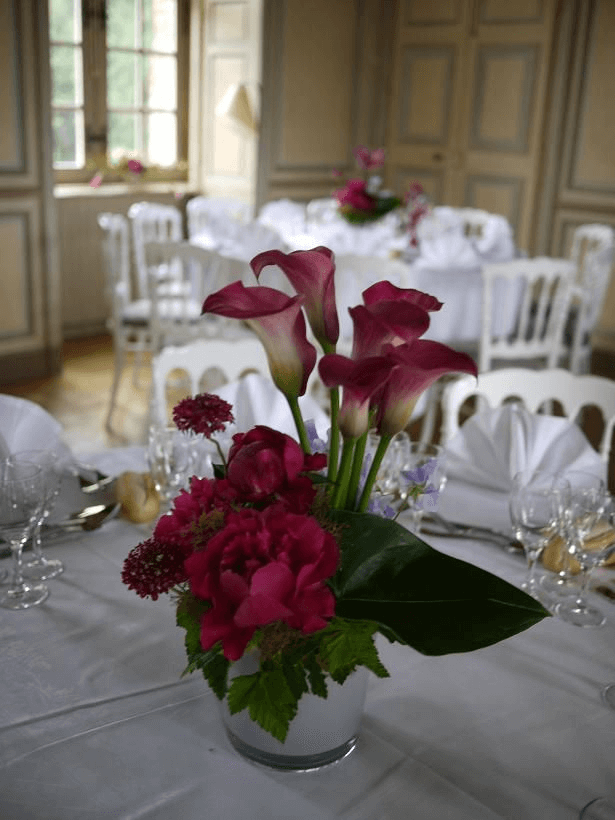
Common Faux Flower Mistakes to Avoid
- Overcrowding the vase
- Using only flowers without greenery
- Choosing overly bright or unrealistic colors
- Leaving tags or visible plastic stems
Less is more when styling faux florals.
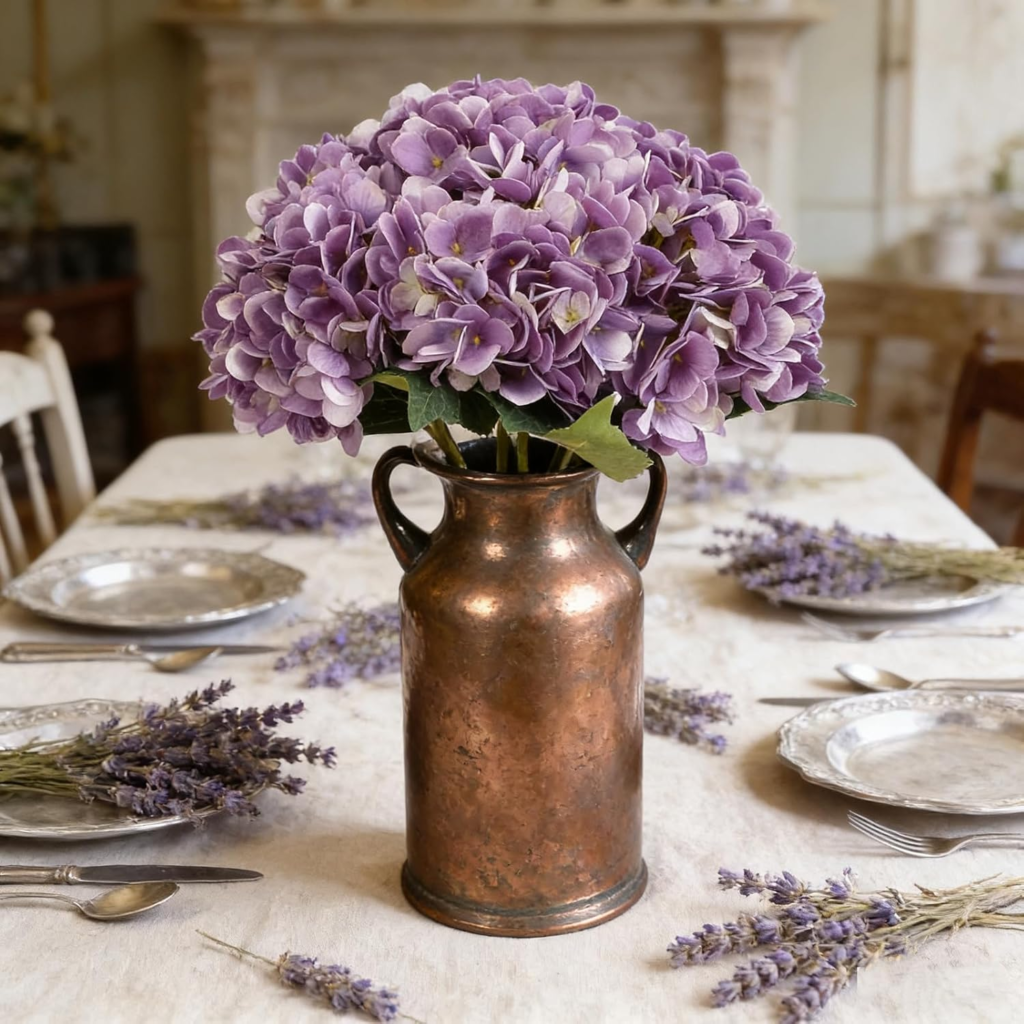
Floral Arrangement Guide>>
Beautiful Faux Floral Arrangements You Can Try>>>