
I still remember the day I sat on my apartment sofa, phone in hand, endlessly scrolling through living room ideas.
Modern, minimal, cozy, luxury, boho—every style looked beautiful, yet somehow none of them felt right for my space.
My living room was small. The walls felt bare. The furniture felt random. And no matter how many Pinterest pins I saved, my own living room still didn’t feel like a place I truly wanted to spend time in.
I searched for hours—days, honestly—trying to find apartment living room ideas that weren’t just pretty to look at, but actually practical.
I wanted a living room that felt calm after a long day, welcoming when guests arrived, and comforting when all I wanted was to sit quietly with a cup of tea.
That’s when I realized something important.
Most living room ideas online focus on how a space looks, not how it feels.
So instead of copying one perfect image, I started observing my own lifestyle.
I paid attention to how light moved through the room, where I naturally liked to sit, what made the space feel cluttered, and what instantly made it feel peaceful.
Slowly, piece by piece, my living room began to change—not because I followed trends, but because I designed it with intention.
This blog post is for anyone who is in that same place I once was—searching, saving, comparing, and still feeling unsure.
These apartment living room ideas aren’t just decorative tips; they are thoughtful design principles that helped me create a space that finally felt like home.
If you’ve been looking for living room ideas that are beautiful, functional, and truly adaptable to real apartment life, you’re in the right place.
Let’s Start Creating Your Living Room:
1. Start With a Purpose-Driven Layout (Not Just Furniture Placement)
When I first started decorating my apartment living room, I made the most common mistake—I placed furniture wherever it fit.
The sofa went against the longest wall, the TV sat opposite it, and the coffee table filled the empty space in between. Technically, everything was “in place,” but the room still felt awkward and unfinished.
That’s when I realized something important:
A good living room layout isn’t about where furniture fits—it’s about how you live in the space.
Before moving even a single chair, take a moment to observe your daily routine. Ask yourself simple but powerful questions:
- Where do I naturally sit after a long day?
- Do I host guests often, or is this space mostly for quiet evenings?
- Do I need room for kids, work, or entertainment?
Once you understand the purpose, the layout starts making sense.
2. Choose One Calm Color Story:
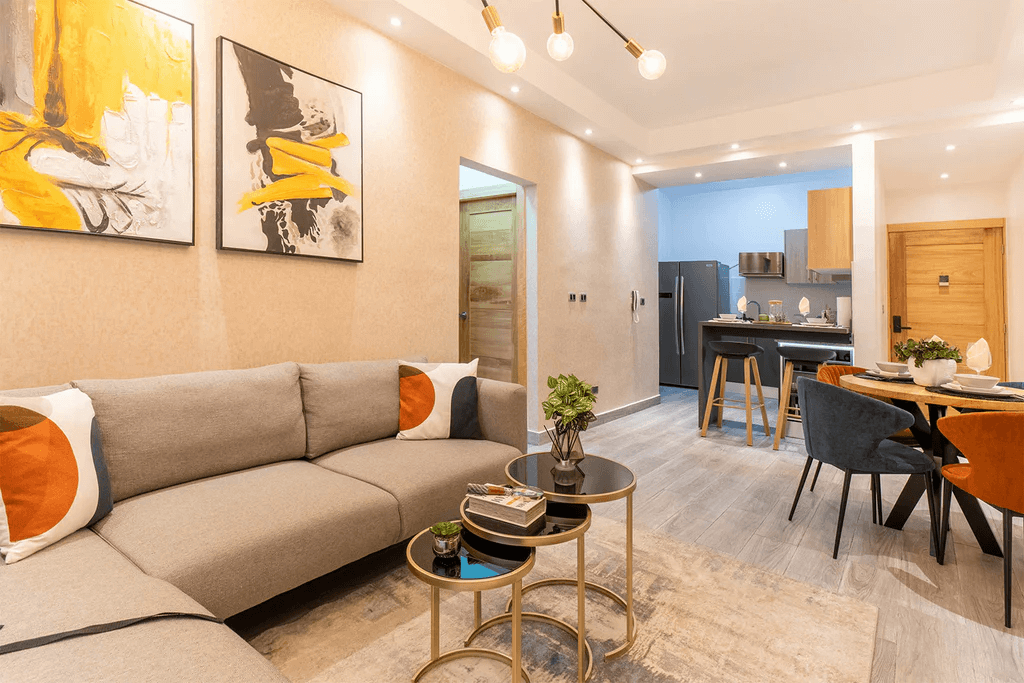
After fixing the layout, I thought my living room was finally on the right track—until I noticed something still felt off.
The furniture was placed well, the room flowed nicely, yet the space didn’t feel calm. It felt busy, almost restless, even when everything was tidy.
That’s when I realized the problem wasn’t the furniture.
It was the colors.
I had cushions in different shades, a rug that didn’t connect to anything else, and décor pieces I loved individually—but together, they were fighting for attention.
My living room had too many voices and no harmony.
Start With One Base Color You Love
Choose one main color that feels soothing to you. This could be:
- Soft beige or warm cream
- Light grey with warmth
- Muted green or dusty blue
- Earthy taupe or sand tones
This base color should appear on your largest surfaces—walls, sofa, rug, or curtains.
3. Invest in One “Anchor” Furniture Piece
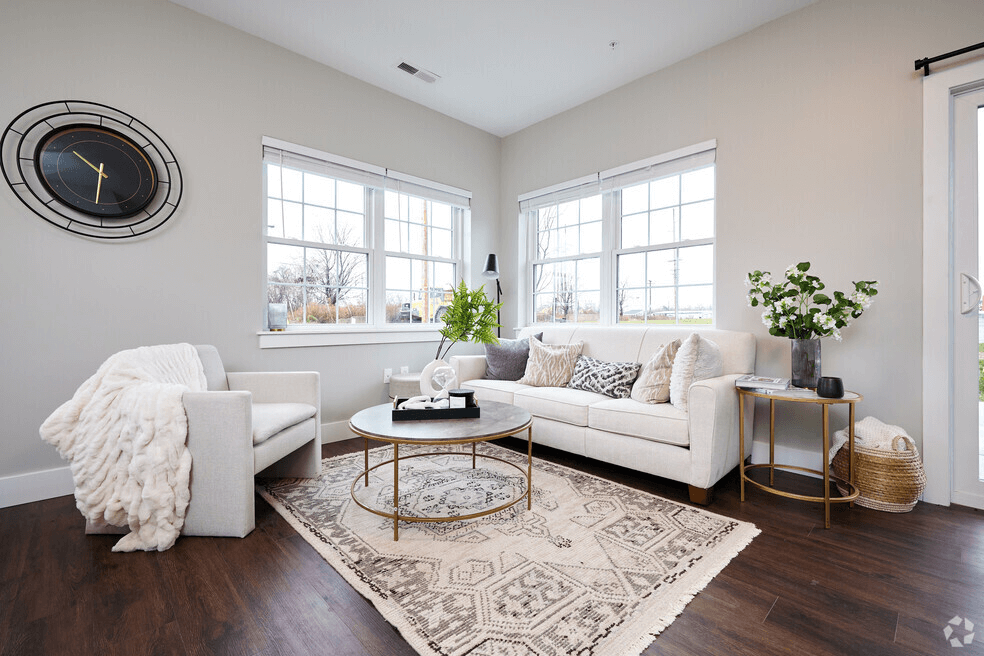
After fixing the layout and calming the color palette, I thought my living room would finally feel complete. But something was still missing.
The room looked fine—neat, balanced, even stylish—but it didn’t have a strong presence. Nothing truly anchored the space.
That’s when I understood an important design secret:
Every beautiful living room has one piece that leads the entire design.
In most apartment living rooms, the anchor is usually:
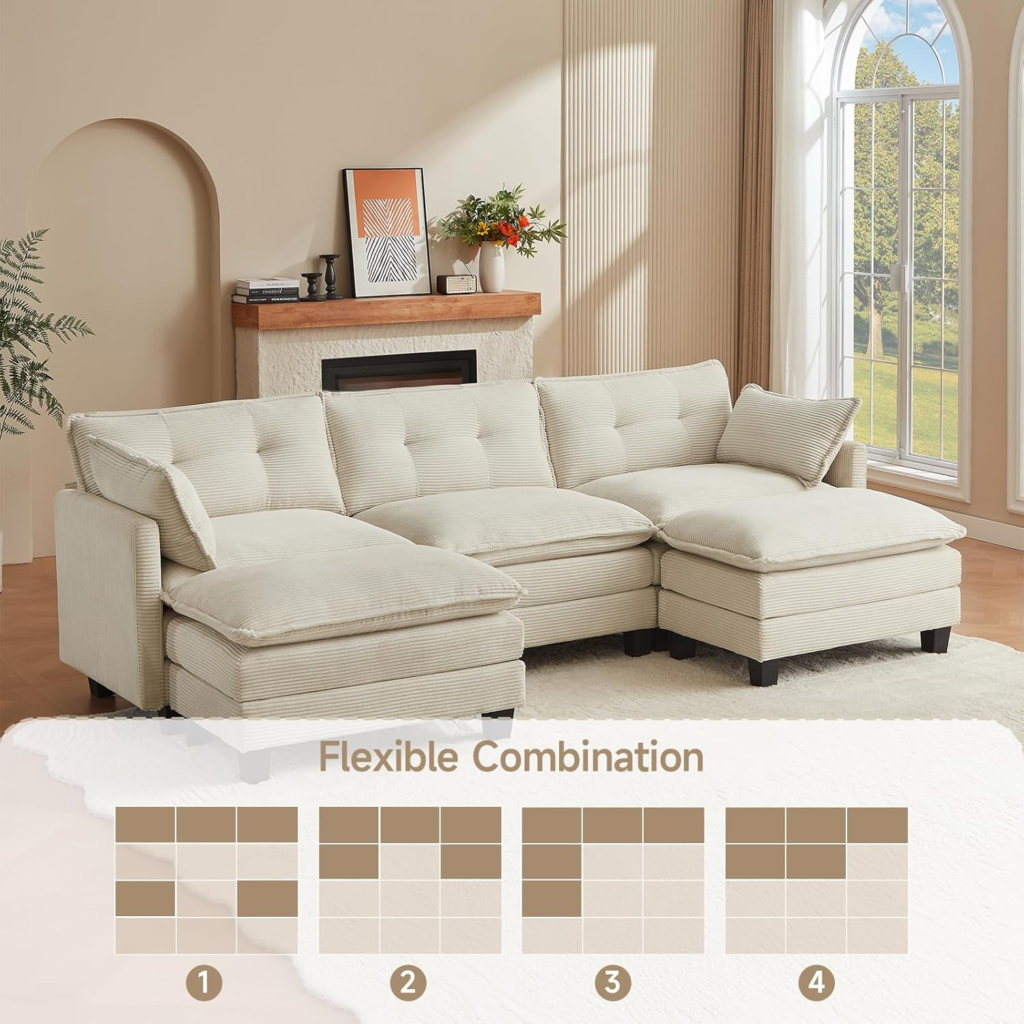
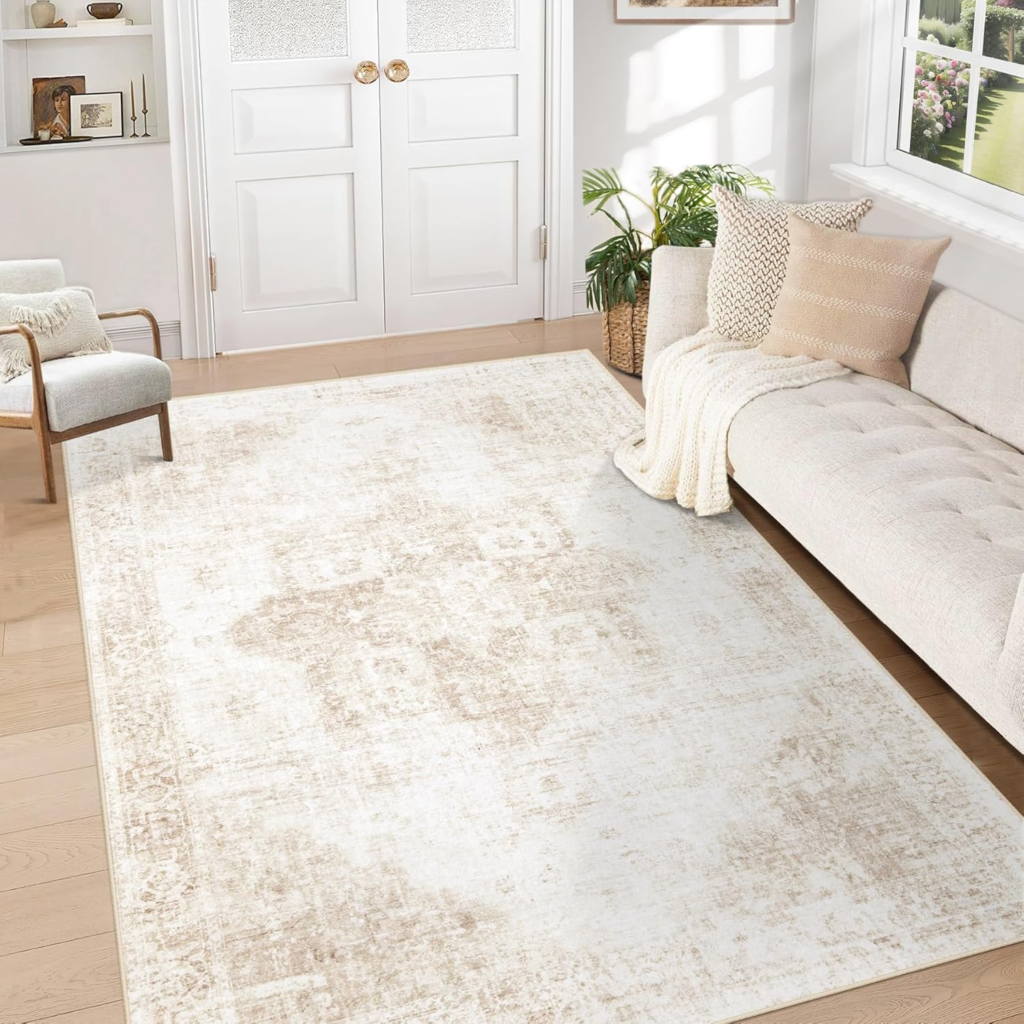
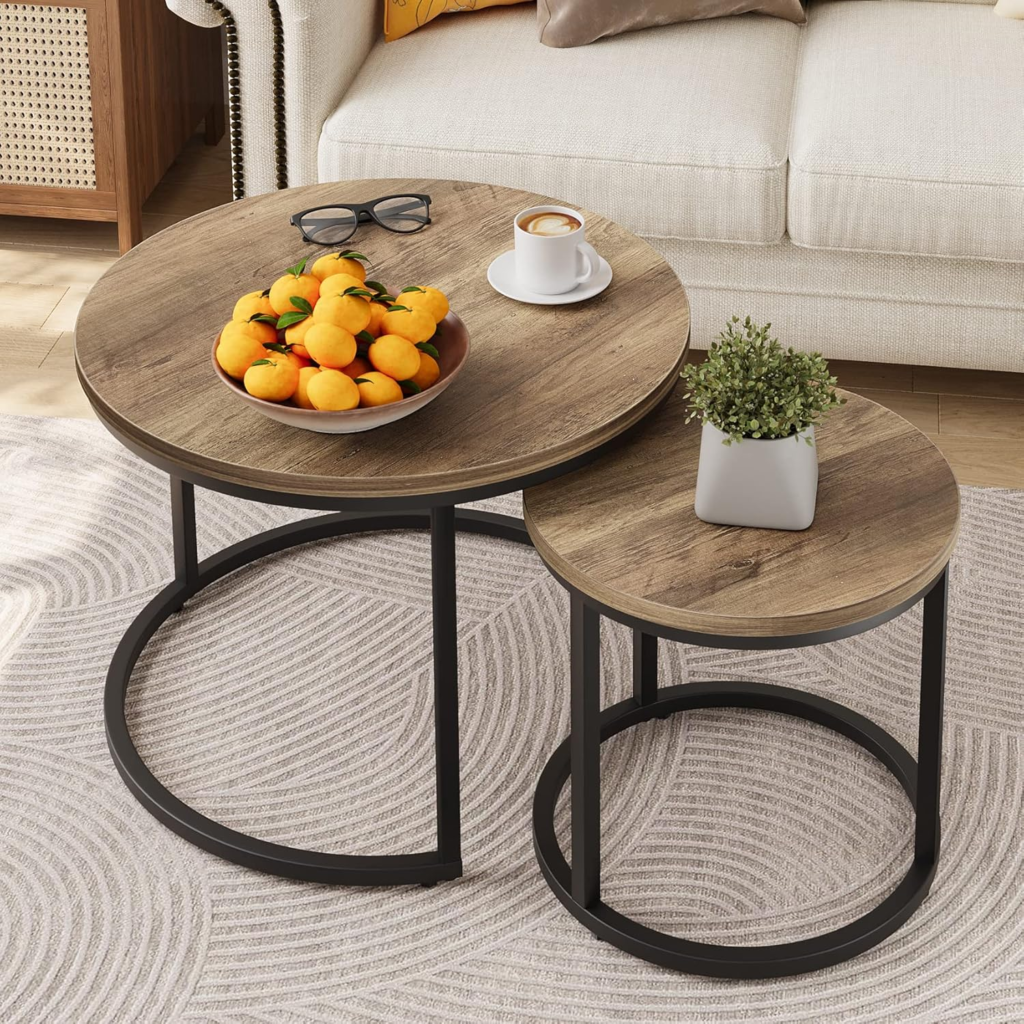
This piece becomes the foundation—the rest of the room quietly supports it.
4. Use Vertical Space Like a Designer

After choosing the right anchor piece, my first instinct was to add more furniture. Another shelf.
Another table. Another décor item. But the more I added, the more my living room started to feel crowded.
That’s when I stopped looking around—and started looking up.
Apartment living rooms often feel small not because they lack space, but because we forget to use the vertical dimension.
Walls are more than just boundaries; they are design opportunities.
Instead of filling walls with random frames, use them intentionally.
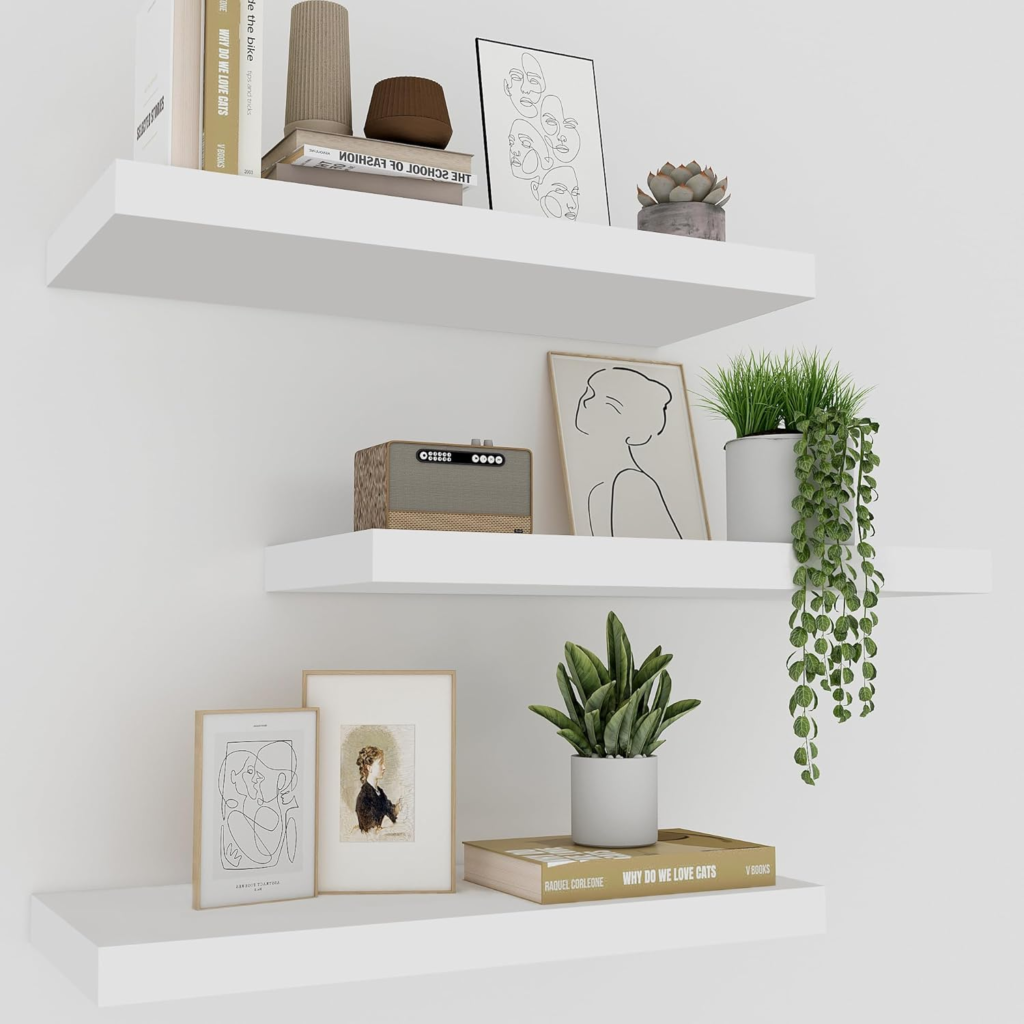
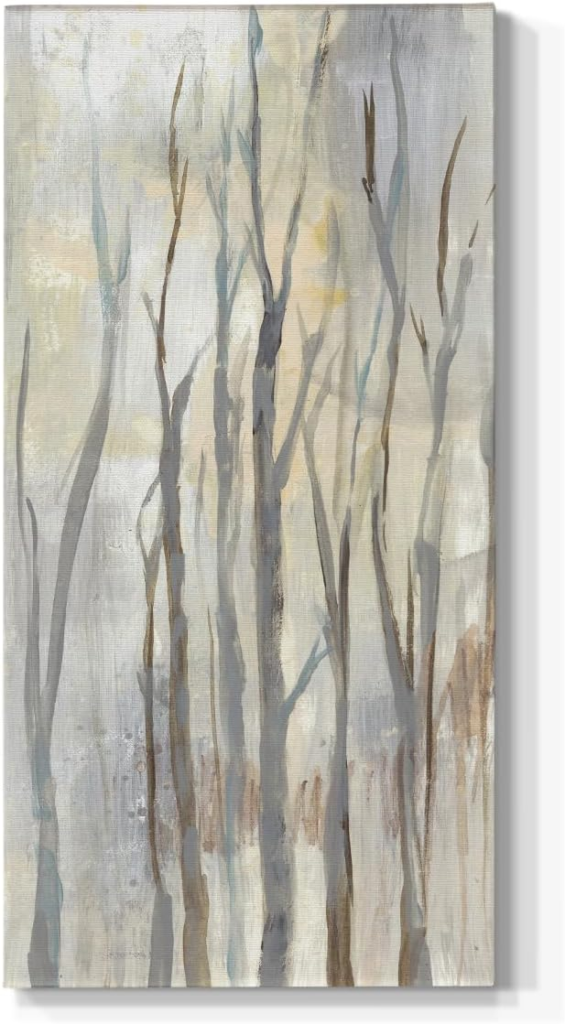
Beautiful vertical design ideas include:
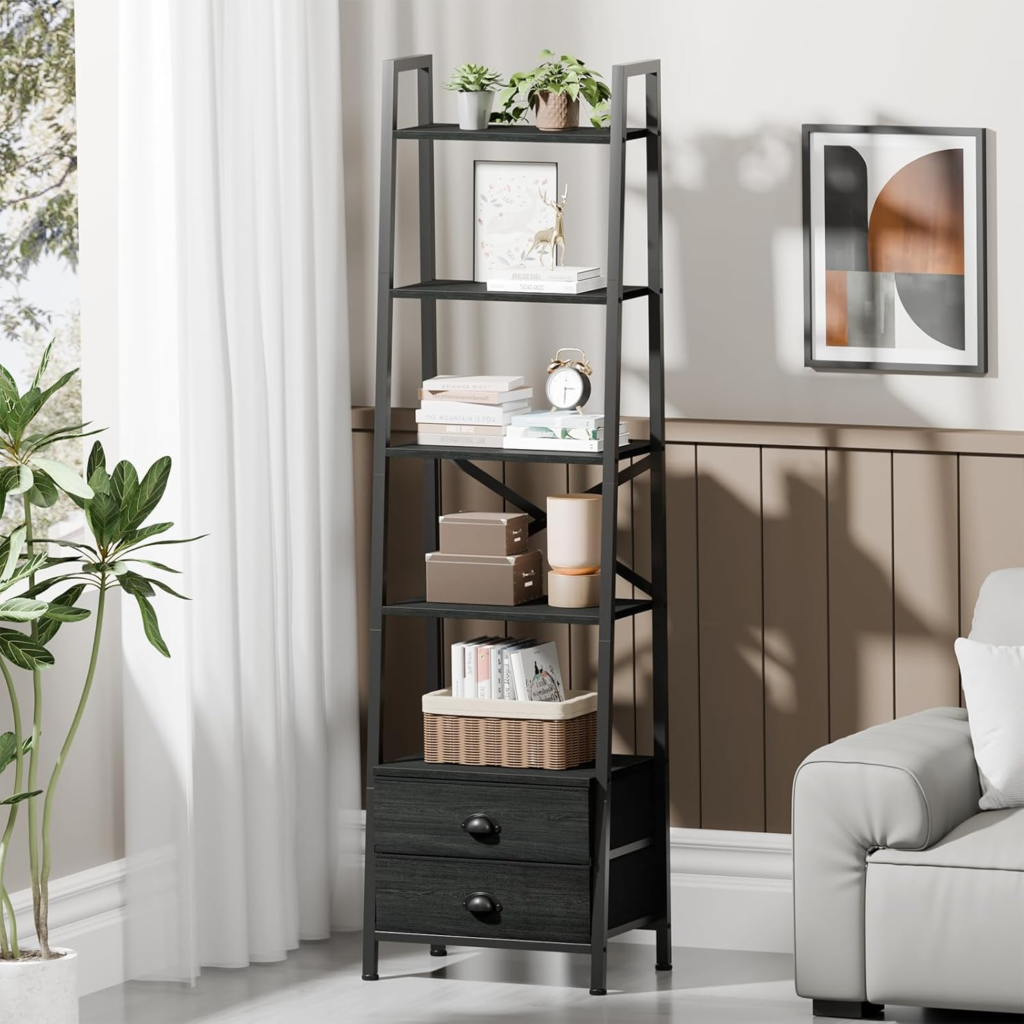
- Wall-mounted cabinets or consoles
- Minimal floating shelves instead of bulky units
- Large vertical artwork that creates impact without clutter
5. Layer Your Lighting to Create Warmth, Mood, and Comfort
After arranging the furniture and using the walls wisely, my living room still felt… flat.
Everything looked right during the day, but as soon as evening arrived, the space lost its charm.
The single ceiling light made the room feel harsh, almost cold—nothing like the cozy living room I imagined.
That’s when I learned an essential design truth:
Lighting doesn’t just illuminate a room—it defines how the room feels.
A truly beautiful living room uses layered lighting, which means combining different light sources at different levels.
1. Ambient Lighting
This is your main source of light—usually a ceiling fixture. It provides overall brightness but shouldn’t be the only light in the room.
2. Task Lighting
This includes floor lamps, table lamps, or reading lights placed near sofas or chairs. These lights make the space functional and comfortable.
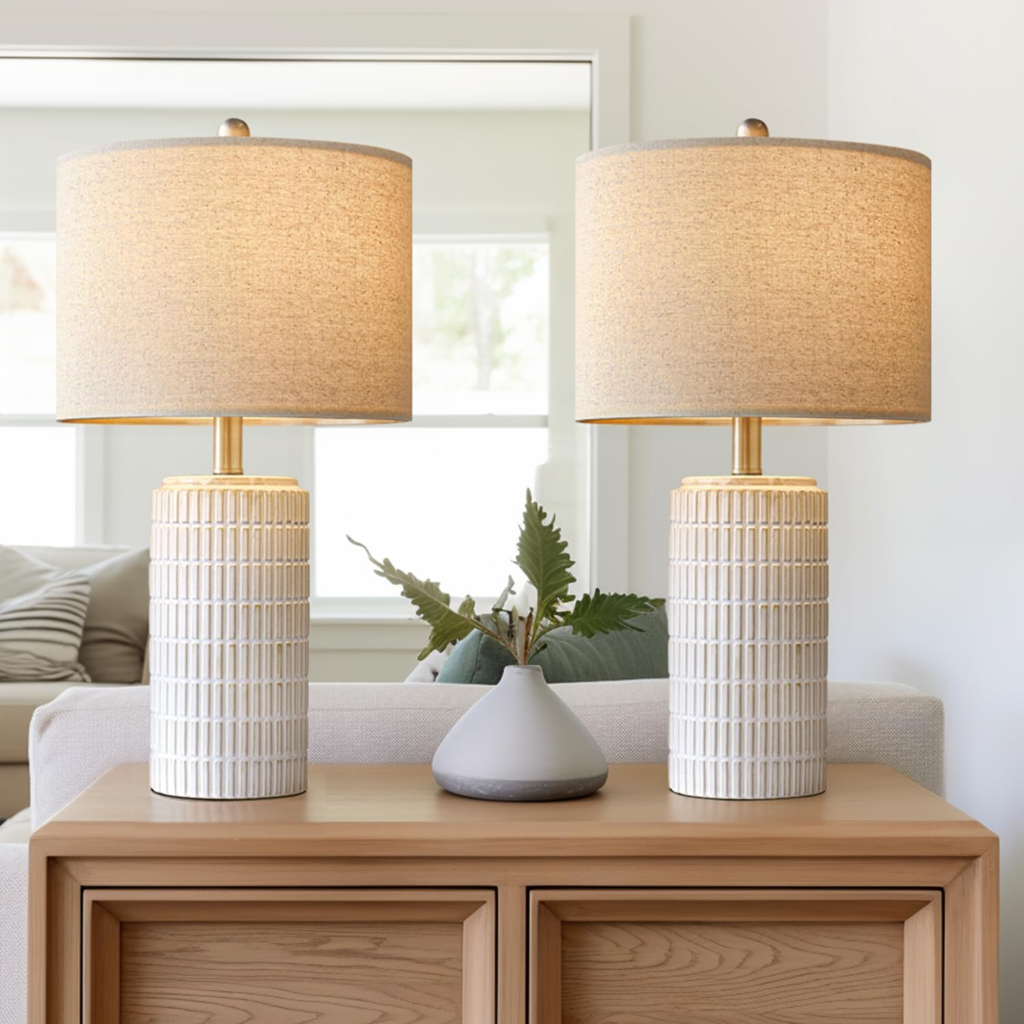
3. Accent Lighting
Accent lighting adds mood. Think wall sconces, LED strips, picture lights, or even candles. This layer brings depth and personality.
6. Choose Texture Over Clutter
After improving the lighting, my living room finally felt warm—but something still wasn’t right and that is texture.
Texture isn’t just about fabric. It’s about how surfaces feel and interact visually.
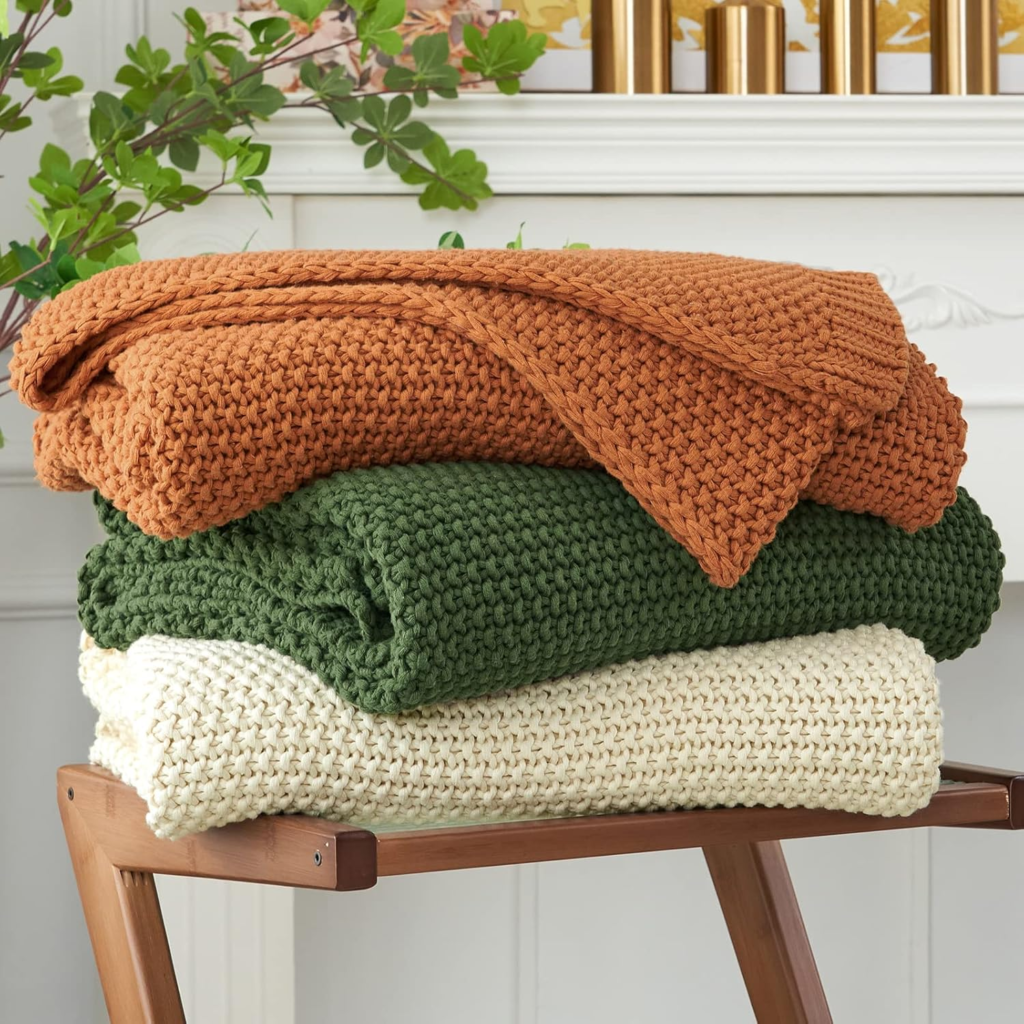
Beautiful textures include:
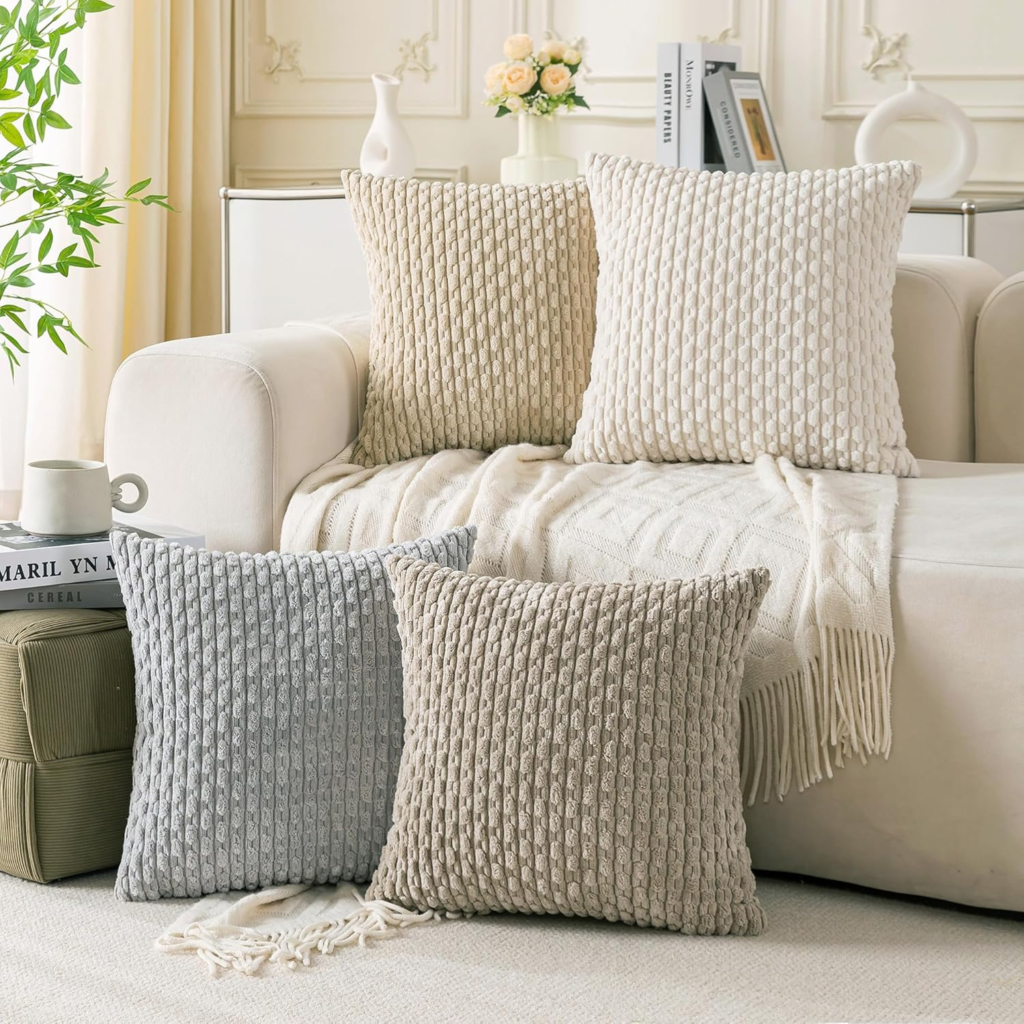
- Knitted or woven fabrics
- Linen or cotton curtains
- Wooden or rattan accents

- Ceramic, stone, or matte finishes
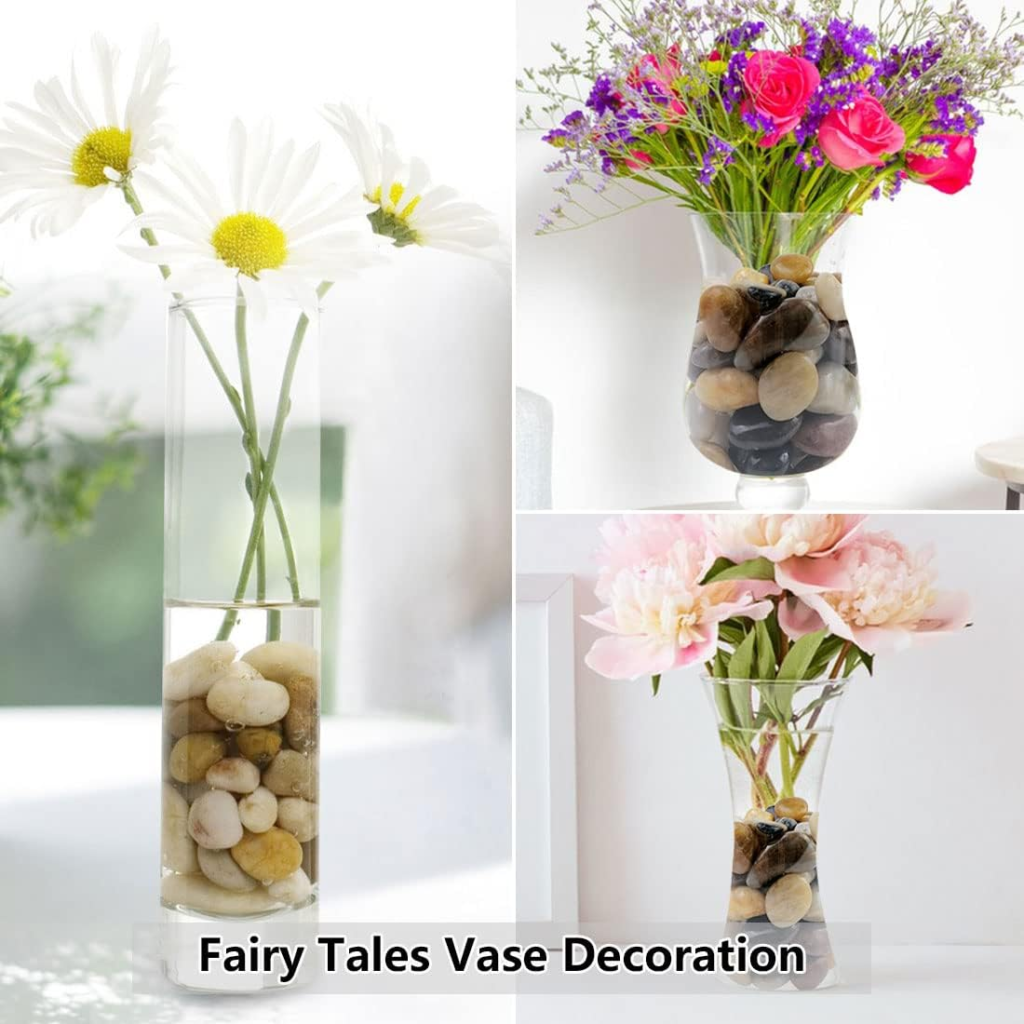
When these textures layer together, the room feels cozy and complete—without extra clutter.
7. Make It Personal, Not Perfect
At one point, my living room looked exactly like the pictures I had saved—clean, neutral, perfectly styled. And yet, something felt missing. The space was beautiful, but it didn’t feel like mine. It felt more like a showroom than a home.
Pinterest images are often styled for photos, not for real life. When we try to recreate them exactly, we risk losing the warmth and individuality that make a space feel alive.
Your living room should tell your story—not follow someone else’s entirely.
Personal touches don’t have to be expensive or dramatic. They just need meaning.
Think about adding:

- Travel souvenirs or handmade items
- Books you genuinely love
- Art that speaks to you, not just what’s trending>>
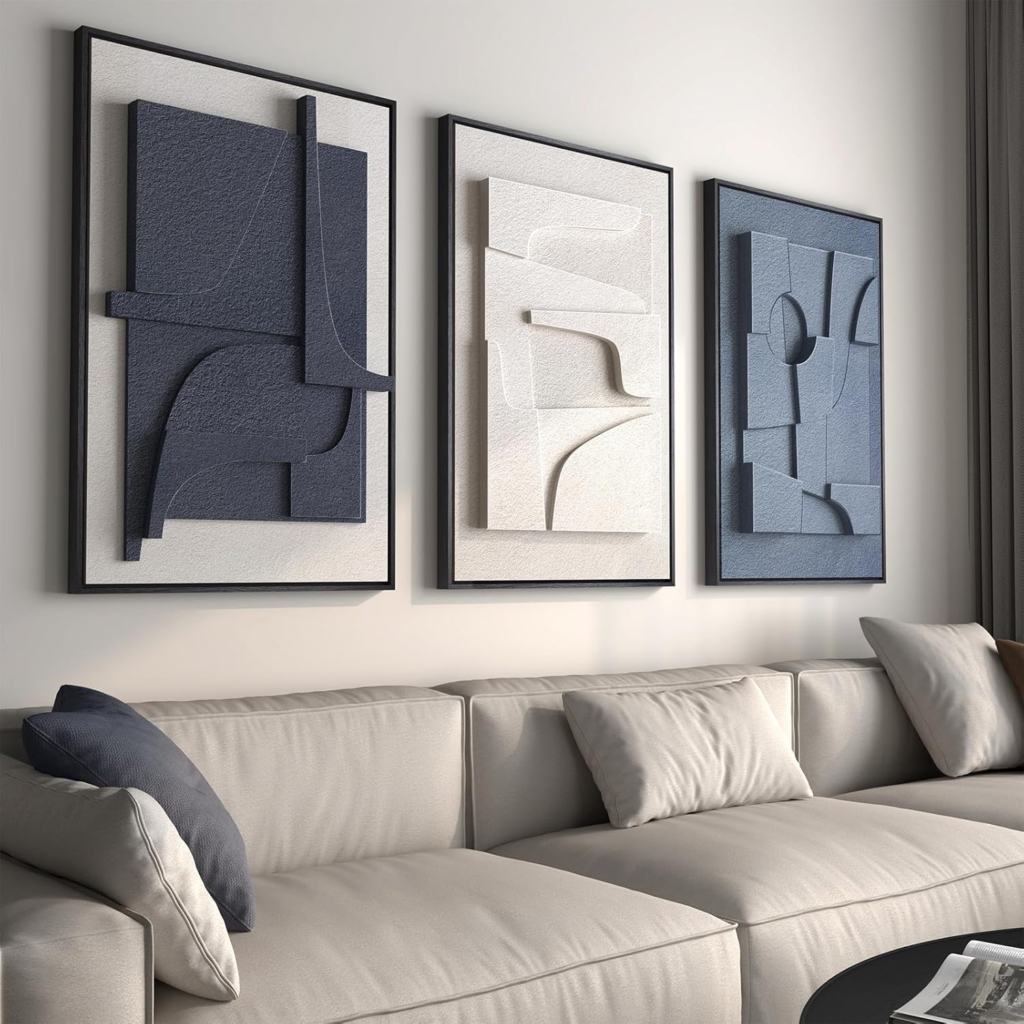
These small details create emotional connection—and guests feel it instantly.
Once I stopped chasing perfection and started adding pieces that mattered to me, my living room finally felt complete.
Not because it was flawless—but because it was honest.
And that’s the kind of living room people remember.
8. Balance Open Space and Storage
At this stage, my living room looked beautiful—but maintaining it felt like a daily challenge.
A book left on the table, a blanket on the sofa, a few everyday items, and suddenly the calm space felt messy again.
Choose Storage That Blends In…
Instead of bulky cabinets, choose pieces that serve more than one purpose.
Smart apartment-friendly storage ideas:
- Ottomans with hidden storage
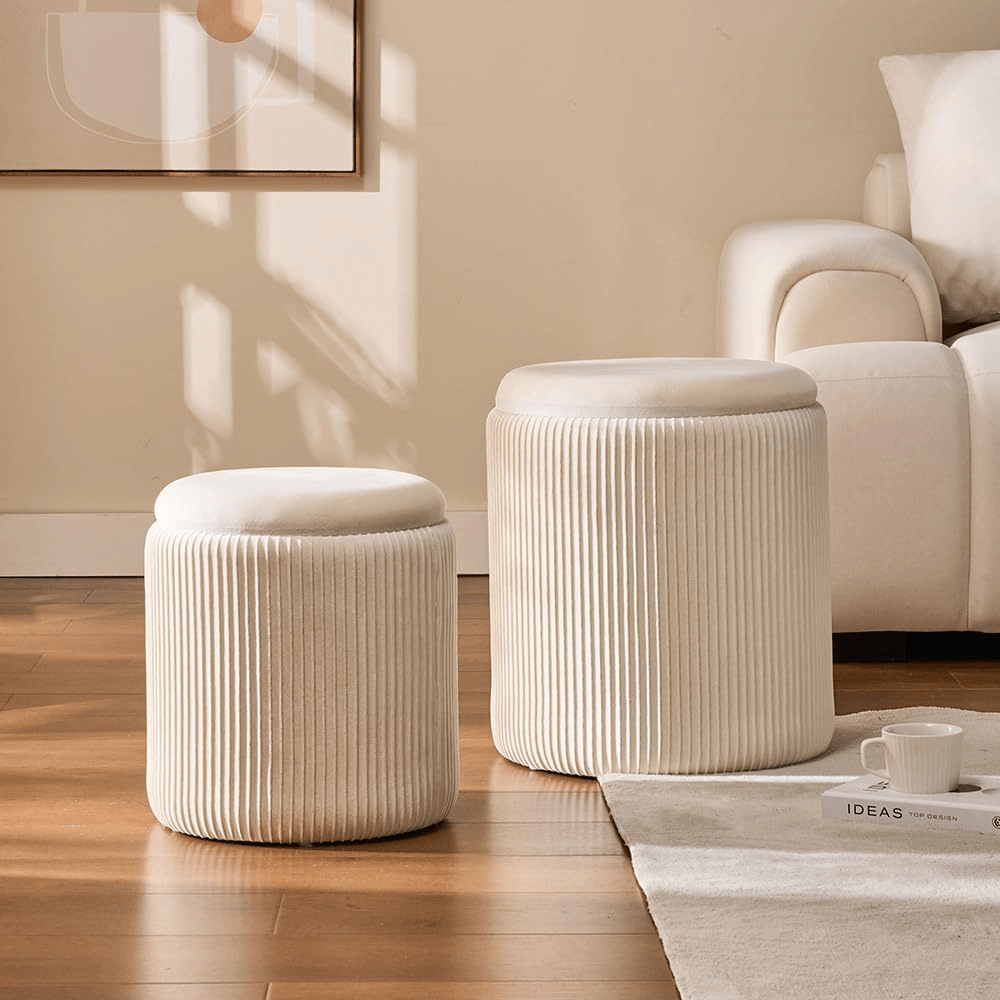
- Coffee tables with shelves or drawers
- Sideboards that double as décor displays
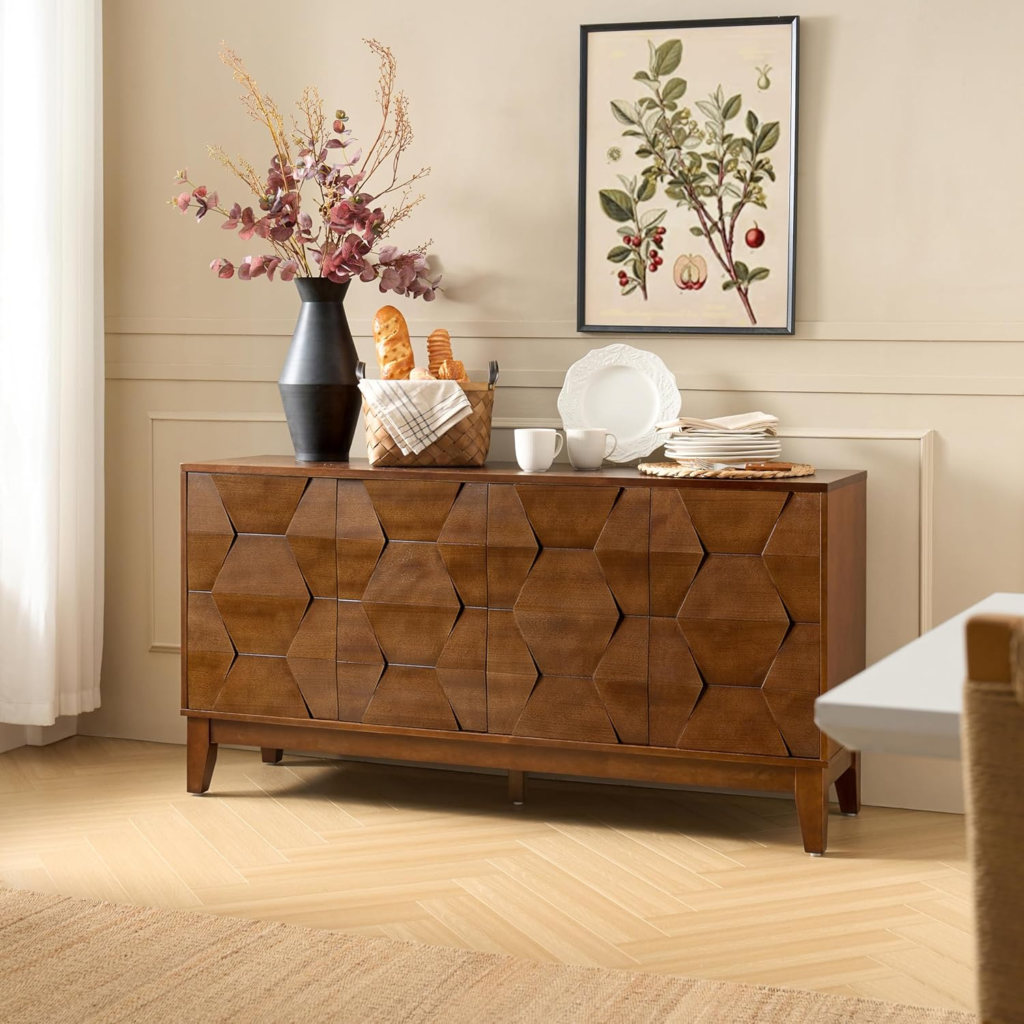
- Baskets for throws, magazines, or toys
9. Add Greenery for Life and Freshness
Even the most well-decorated apartment living room can feel a little flat without something natural in it. That’s where plants make a big difference.
Plants instantly make a living room feel fresh, calm, and welcoming. They add color naturally and help the space feel more alive and relaxed.
You don’t need to fill your living room with plants. Just one or two is enough.
Good places to keep plants:
- Near a window
- In an empty corner
- Next to the sofa or chair
- On a shelf or side table
Choose Easy-to-Care Plants
If you’re not great with plants, start with low-maintenance options like:
- Snake plant
- Pothos
- ZZ plant