

There are days when a smell, a song, or even a quiet moment can take you back to another time—simpler, softer, and somehow warmer. That’s the feeling of nostalgia. And more often than not, it’s tied to food.
It might be the aroma of something baking in the oven that reminds you of childhood afternoons, or a simple meal that brings back memories of sitting around the table with family.
These aren’t just dishes—they’re moments you’ve lived, flavors you’ve felt, and memories you still carry.
When you’re feeling nostalgic, you don’t crave something new or fancy.
You crave something familiar. Something that feels like home—even if home is miles away or years behind you.
Food has a quiet way of holding onto memories. A bowl of soup can remind you of care and comfort.
Fresh bread can bring back slow mornings. A sweet dessert can take you straight to celebrations, laughter, and people you miss.
In this post, we’re not just talking about what to eat—we’re exploring the kind of food that brings you back, that wraps you in comfort, and lets you relive those small, meaningful moments again… one bite at a time.
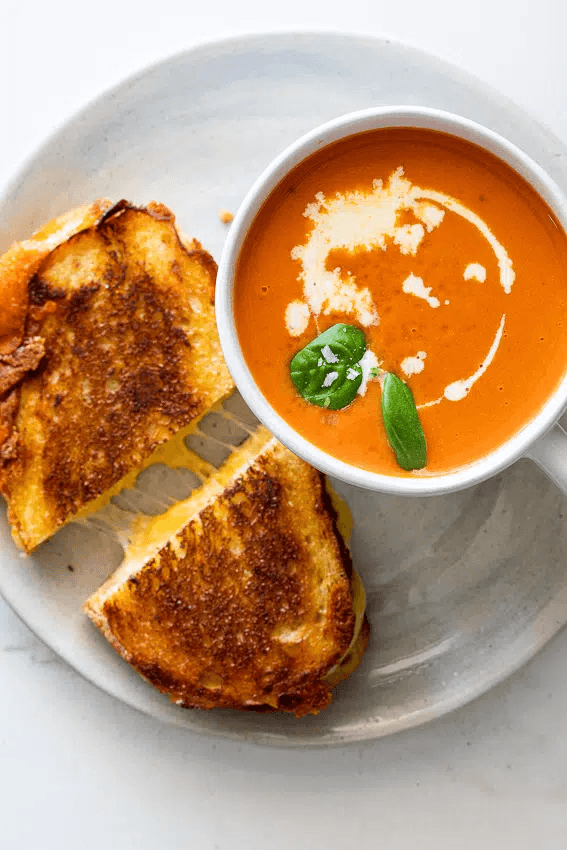
Grilled cheese and tomato soup:
Try This Amazing Recipe By Simplydeliciousfood
This is the most universally nostalgic American meal — the one that lives in almost everyone’s childhood memory.
There is something about the combination of a perfectly golden grilled cheese dunked into warm tomato soup that reaches across generations, kitchens, and geographies and lands in the same warm place every single time.
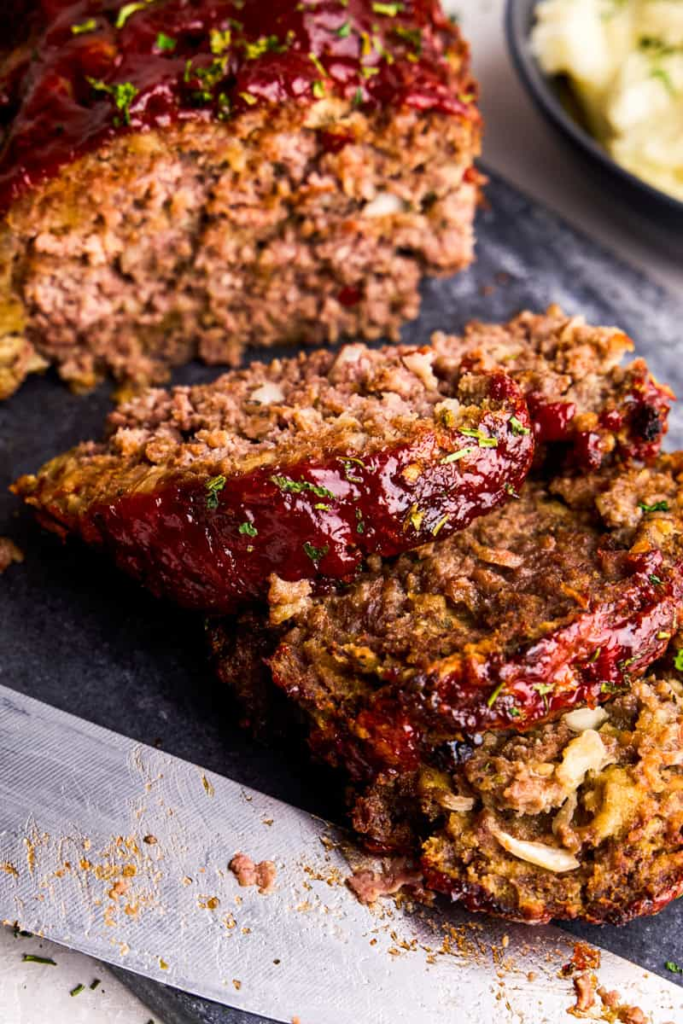
Mom’s meatloaf with ketchup glaze:
Try This Amazing Recipe By Thestayahomechef
Meatloaf is one of the most distinctly American nostalgic foods — it appeared on dinner tables across the country for decades, made differently by every family but recognized by everyone.
The ketchup glaze caramelizing on top, the smell of it baking, the way it slices — this is a meal that brings people back to a specific kitchen, a specific table, a specific version of home.
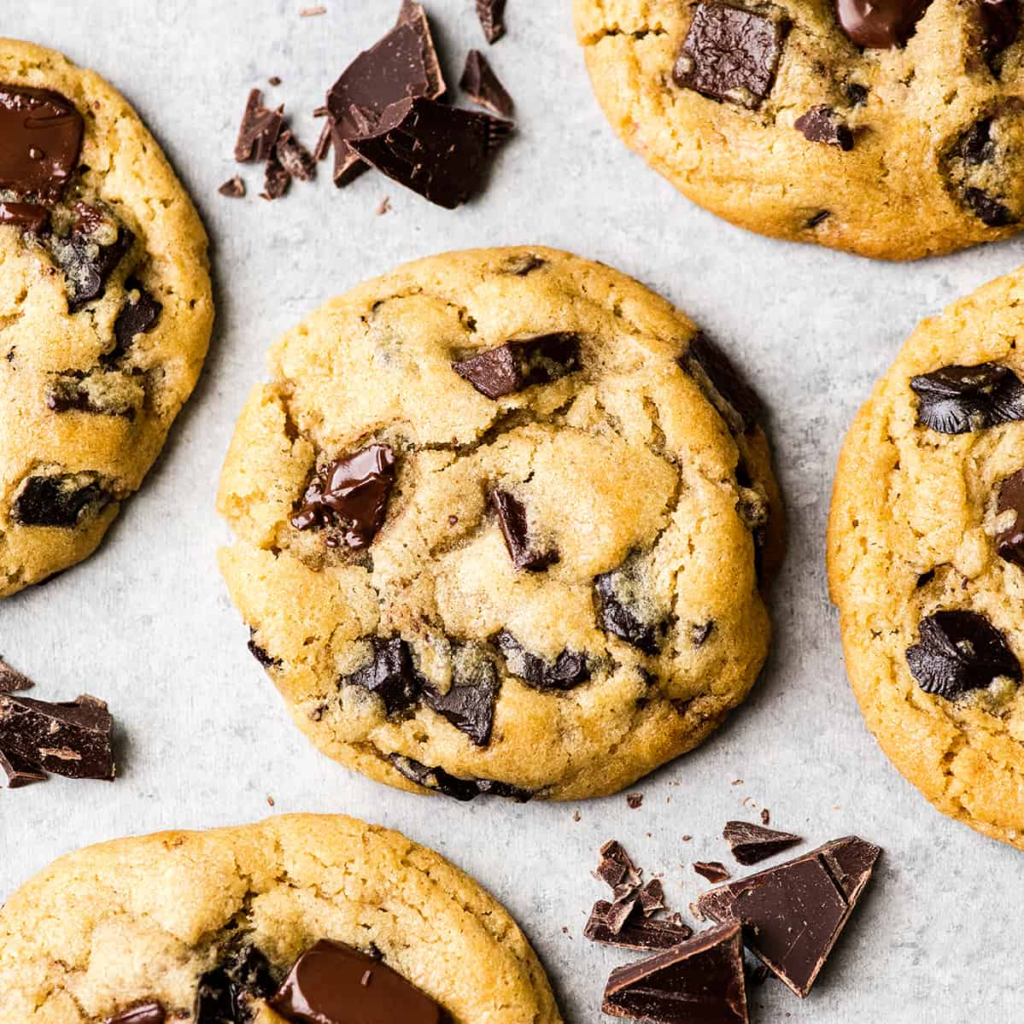
Homemade chocolate chip cookies:
Try This Amazing Recipe By Joyfoodsunshine
The smell of chocolate chip cookies baking is clinically one of the most powerful nostalgia triggers that exists.
Studies have shown that this specific smell activates memory regions of the brain more reliably than almost any other scent.
Making them from scratch — the creaming of butter and sugar, the folding in of chips, the watching them spread in the oven — is the full sensory experience your memory is actually reaching for.
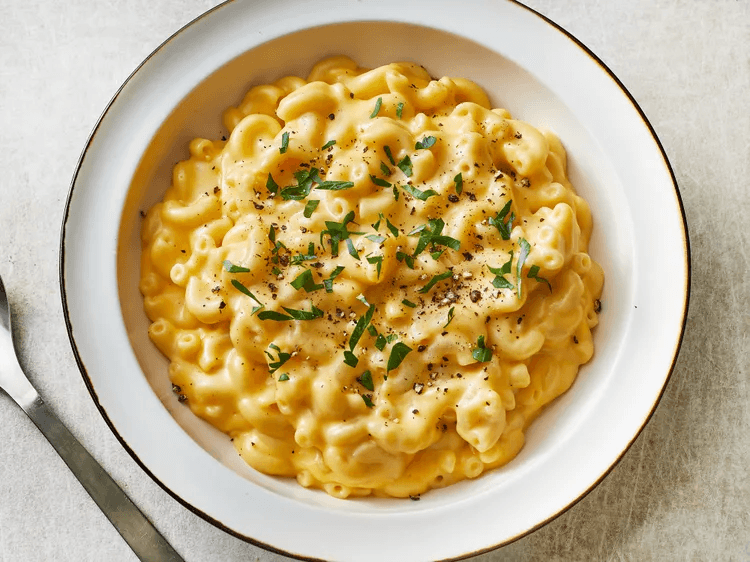
Macaroni and cheese from scratch:
Try This Amazing Recipe By Allrecipes
Not the blue box — although honestly the blue box has its own nostalgic power and nobody is judging you.
But homemade mac and cheese, the kind with a roux-based cheese sauce and optional breadcrumb topping, is the elevated version of a memory.
It tastes like the blue box version always promised to taste. Rich, creamy, deeply cheesy, and completely satisfying in the way only truly nostalgic food can be.
Classic pancakes on a slow Saturday morning:
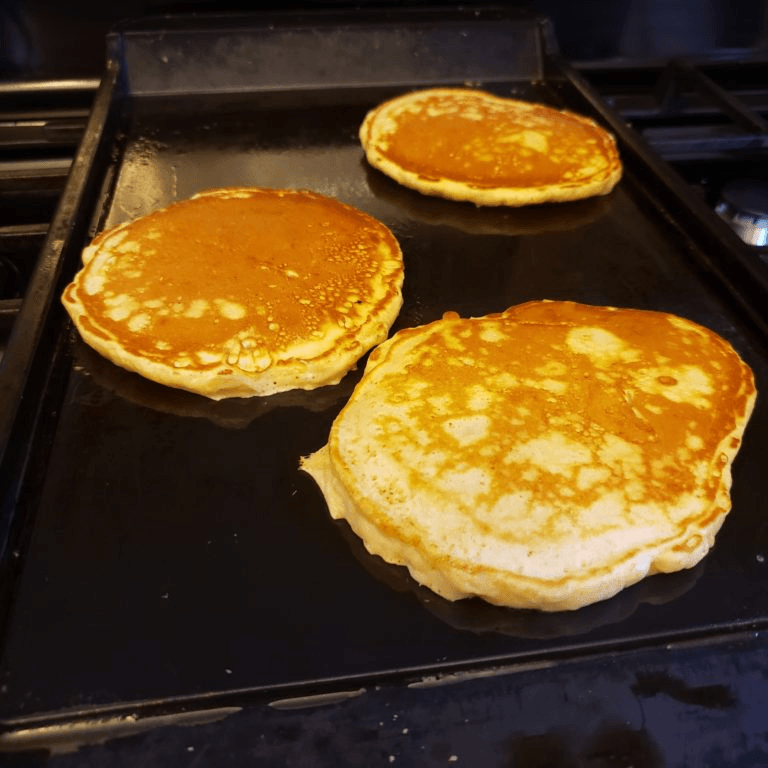
Try This Recipe By Dafeedsthefam
Saturday morning pancakes are one of the most universally shared American food memories — the smell of butter in the pan, the sizzle when batter hits the griddle, the stack growing taller, the maple syrup warming in a little pitcher.
These are not weekday pancakes. These are the slow, unhurried kind that belong to mornings when nobody had anywhere to be.
Chicken noodle soup from scratch (grandma made this):
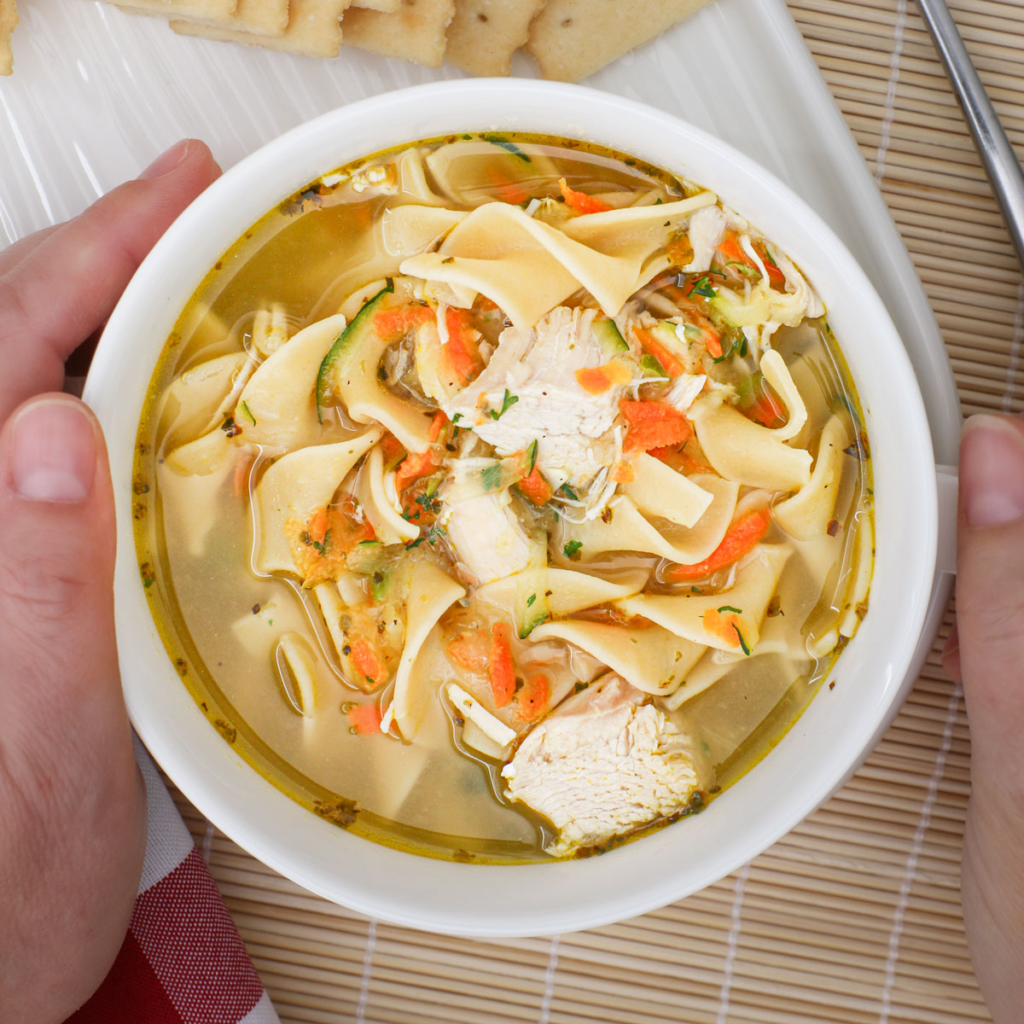
Try This Amazing Recipe By Goodcheapeats
Chicken noodle soup made from scratch — not from a can — is the taste of being taken care of.
It’s what appeared when you were sick, when something was wrong, when someone who loved you wanted to do something tangible about it.
The smell of it simmering fills a house in a way that makes it feel inhabited and warm and safe. That feeling is what you’re really cooking.
Peanut butter and jelly sandwich :
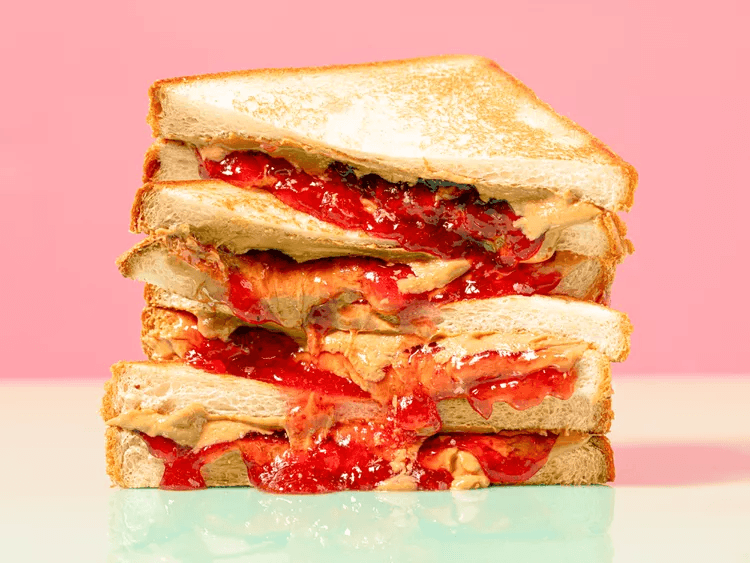
Try This Recipe By Seriouseats
There is no food more immediately, viscerally connected to American childhood than a peanut butter and jelly sandwich.
The right bread, the right ratio, eaten at the right pace — this is a time machine disguised as lunch.
The nostalgia research says that simple, familiar foods activate memory more powerfully than complex ones. This is the simplest and the most familiar.
Apple pie with a buttery crust:
Apple pie is the single most symbolic American food — it appears in the language itself as the benchmark for everything wholesome and home.
Making one from scratch, especially if someone in your past made them for you, is one of the most emotionally resonant cooking experiences you can have.
The smell of cinnamon apples under a golden crust is America’s collective food memory condensed into one dish.
Sloppy joes on soft buns:
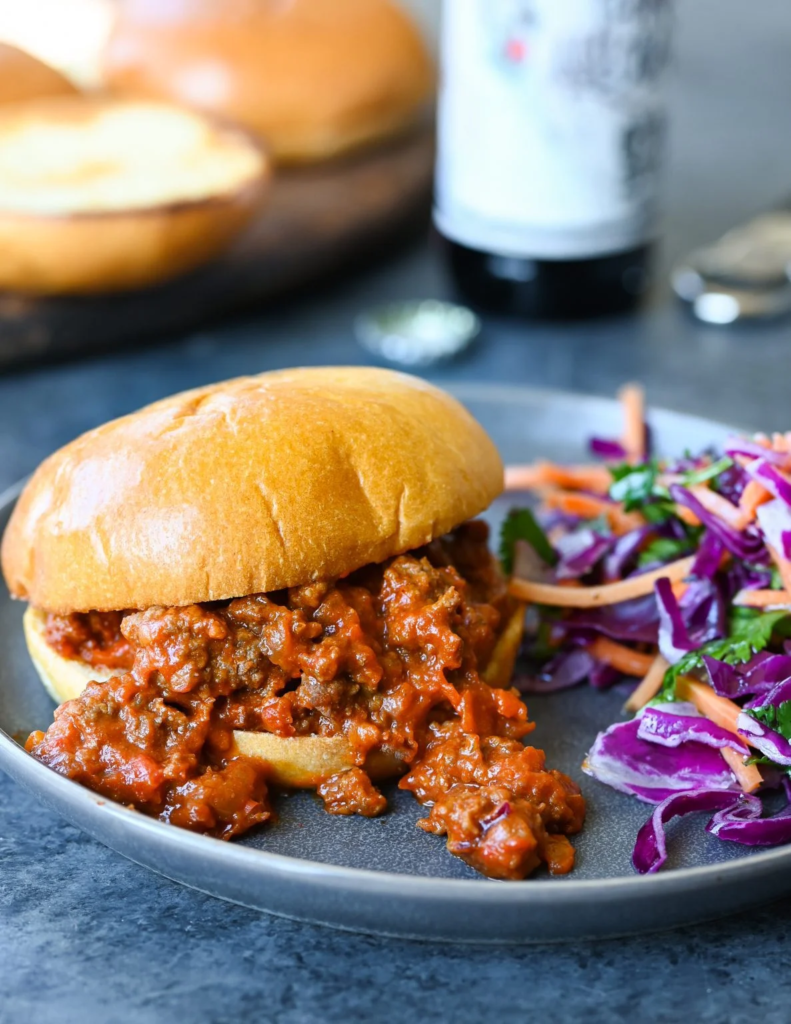
Try This Amazing Recipe By Onceuponchef
Sloppy joes are one of those foods that Americans of a certain generation ate at school cafeterias, at summer camp, at church potlucks — making them a genuinely communal nostalgia food rather than just a family one.
They’re messy, sweet-savory, and impossible to eat without some of it ending up on your hands, which is part of what makes them feel so specifically like being young.
Banana pudding with vanilla wafers:
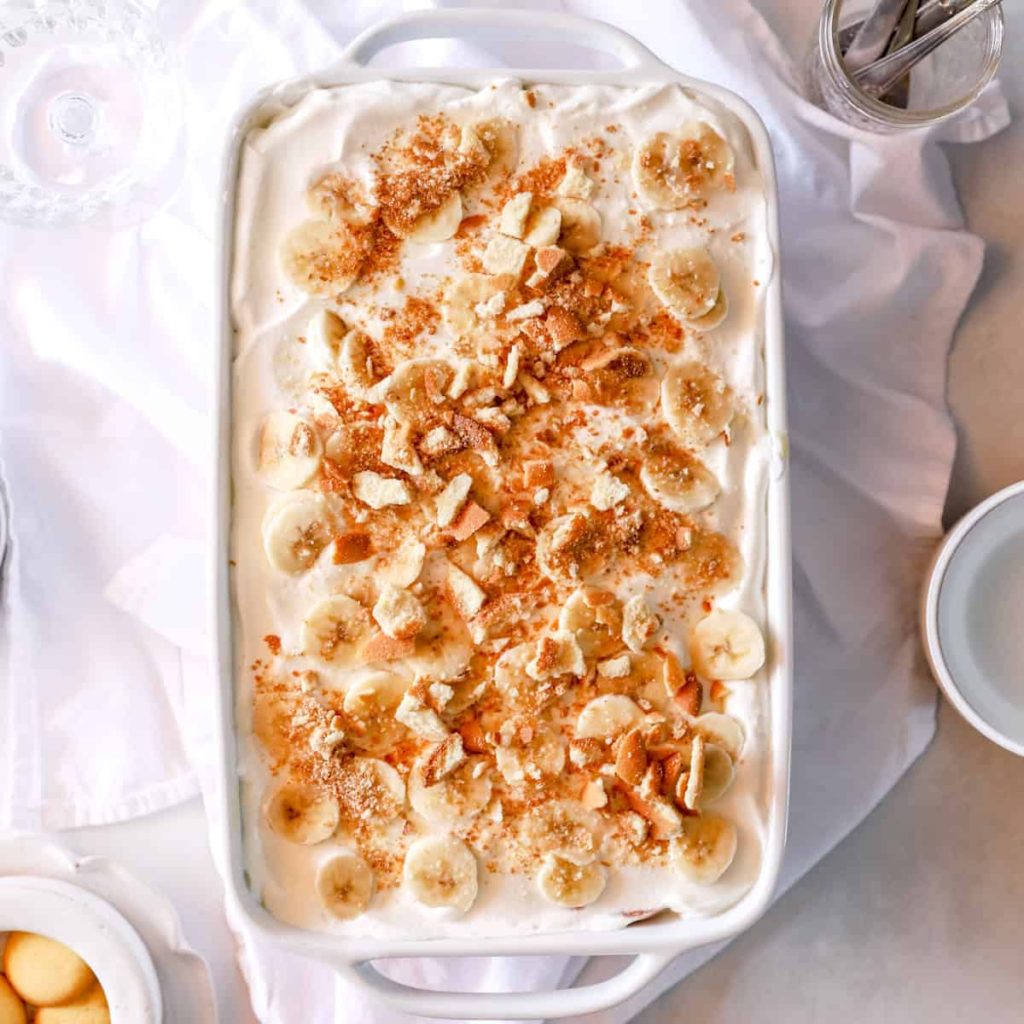
Try This Amazing Recipe By Ninnescahmade
Banana pudding is the dessert of Southern American memory — it appears at every family gathering, church dinner, and summer cookout across generations.
The combination of creamy vanilla pudding, ripe banana slices, and softening vanilla wafers is one of those tastes that exists nowhere else in the world. It’s purely, specifically American nostalgia in a bowl.
Classic American mashed potatoes:
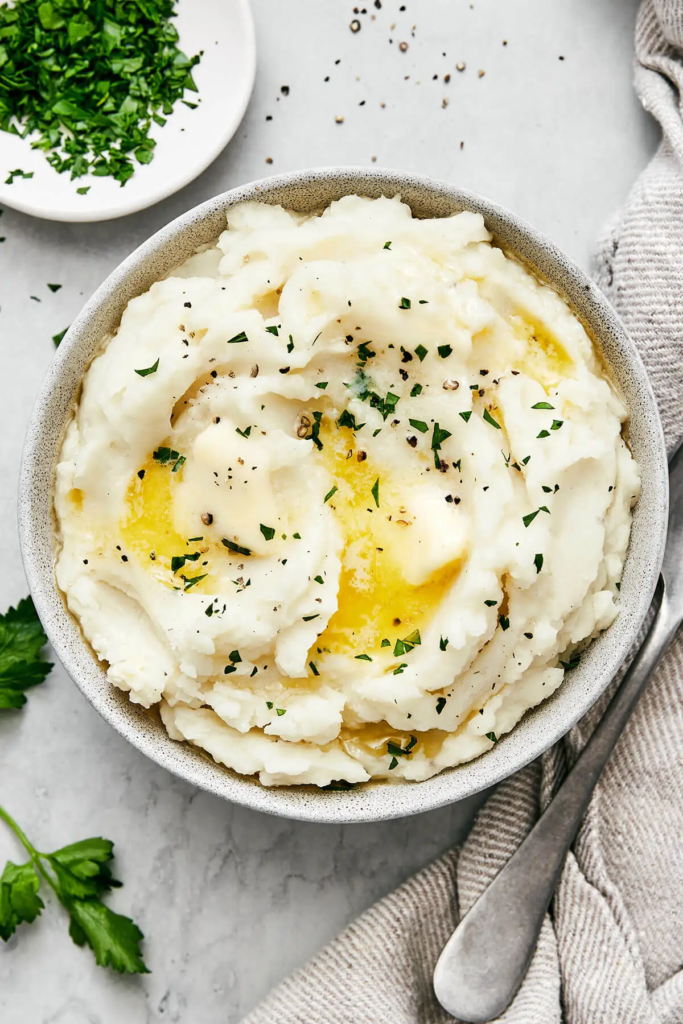
Try This Amazing Recipe by Downshiftlogy
Not trendy mashed potatoes — classic ones. The kind made with more butter than seems reasonable, whole milk, and mashed until completely smooth.
Mashed potatoes carry more nostalgic weight per bite than almost any other side dish.
They appear at every Thanksgiving, every Christmas, every Sunday dinner where family gathered around a table that doesn’t exist in the same form anymore.
S’mores — made over any open flame:
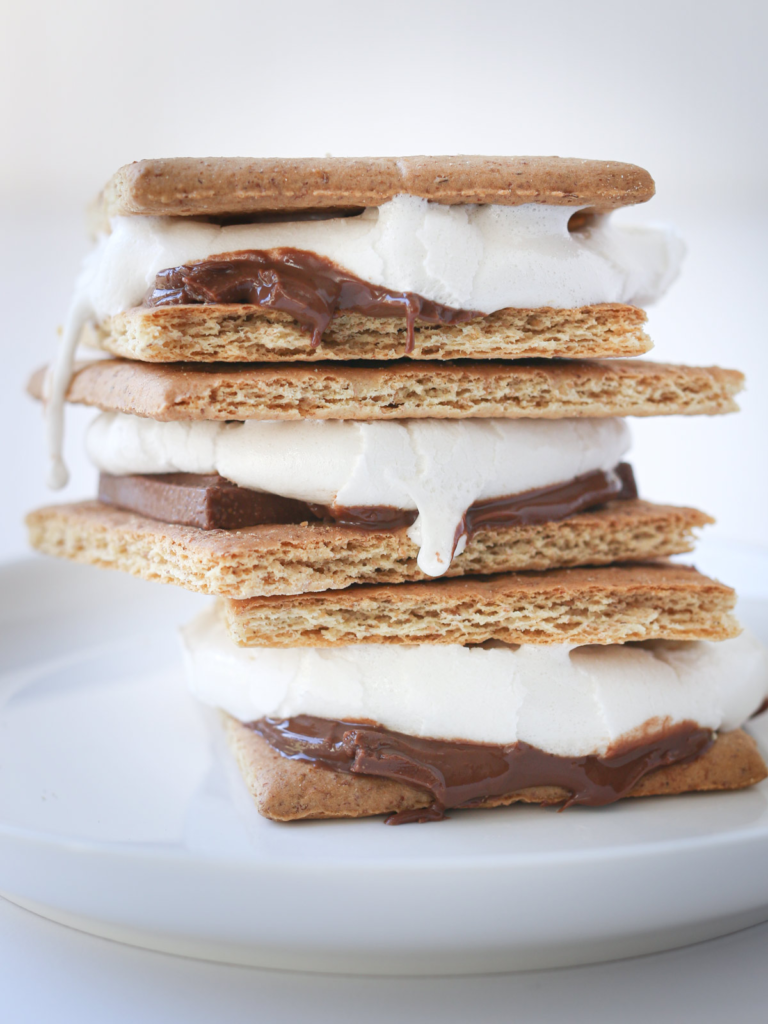
Try This Amazing Recipe By Goodcheapeats
S’mores are the most specifically summer-nostalgic American food — tied to camp, to backyards, to nights around a fire with people you loved when you were young.
The combination of toasted marshmallow, melting chocolate, and graham cracker is a flavor that exists almost entirely in memory and in the specific emotional context of being outdoors at night with no responsibilities.
Tuna noodle casserole:
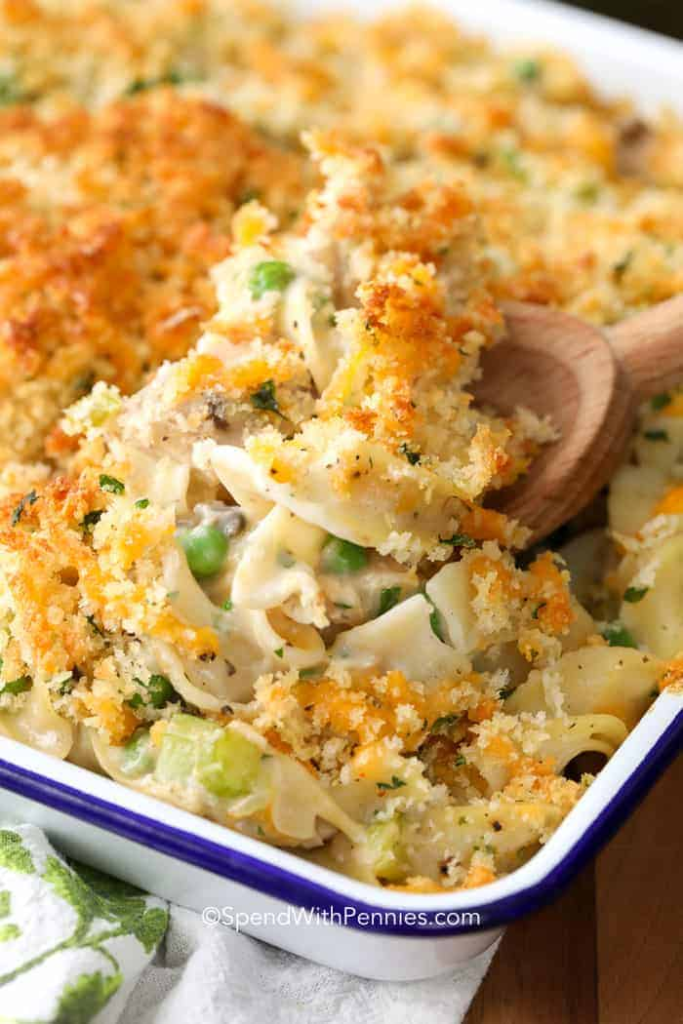
Try This Amazing Recipe By Spendwithpennies
Tuna noodle casserole is one of the most polarizing nostalgic foods — some people adore it, some people never want to see it again, and both reactions are entirely based on a specific childhood kitchen.
It was the mid-century American weeknight dinner, economical and filling and made with what was in the pantry.
That specificity is exactly what makes it nostalgic — it’s a whole era of American domestic life in a casserole dish.
Rice Krispie treats:
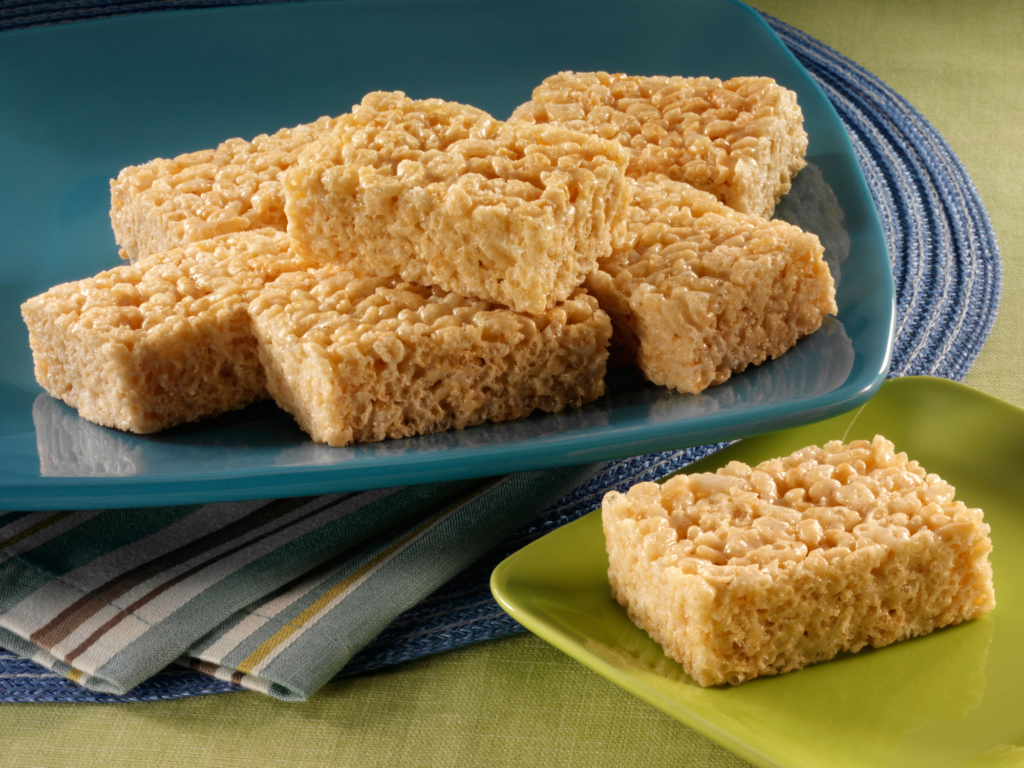
Try This Original Recipe By Ricekrispies
Rice Krispie treats occupy a specific place in American food memory — they appear at bake sales, classroom parties, after-school kitchens, and summer kitchens in nearly every household generation after generation.
They are one of the few foods where the process of making them — the snap crackle pop of the cereal, the sticky hands, the pressing into the pan — is as nostalgic as the eating.
Pot roast with carrots and potatoes:
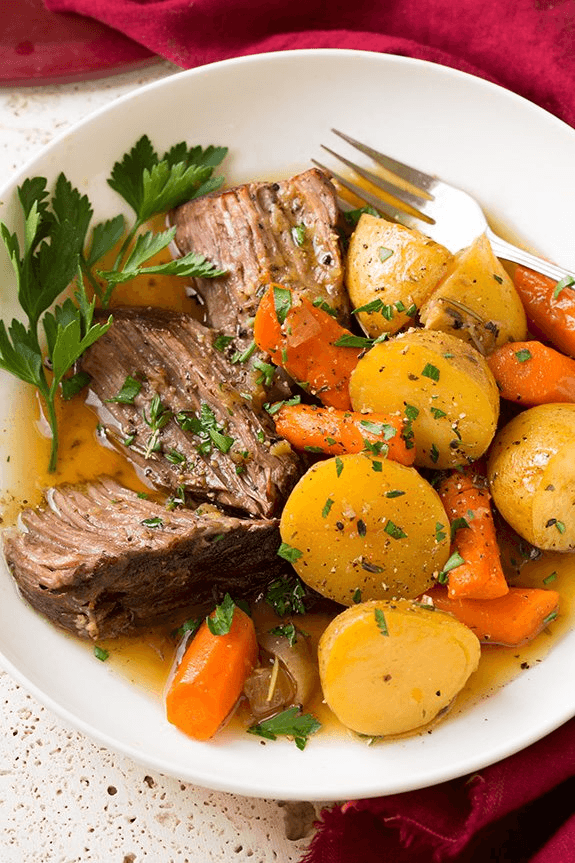
Try This Recipe By Cookingclassy
Pot roast is Sunday dinner. It is the smell of something cooking slowly all morning while the house fills up with people. It is the meal that sat in the oven while everyone went to church and came back to a table already set.
For millions of American families across multiple generations, pot roast is the most specific and powerful food memory that exists. You make it once and the whole house smells like every Sunday that ever was.
Deviled eggs:
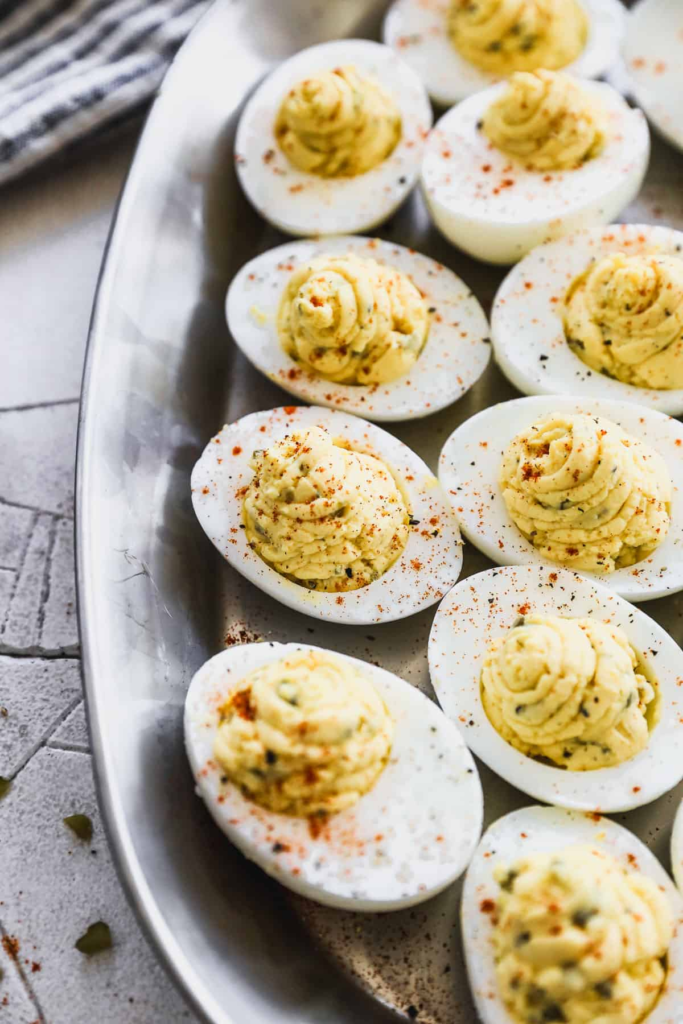
Try This Amazing Recipe By Tastebetterfromscratch
Deviled eggs appear at every American gathering that matters — Easter, Thanksgiving, Fourth of July, Memorial Day, every family reunion that has ever happened. They are simultaneously elegant and completely unpretentious.
Someone at every party makes them, someone always takes the last one, and someone always asks for the recipe even though the recipe is basically the same in every family.
Cinnamon toast — the original version:
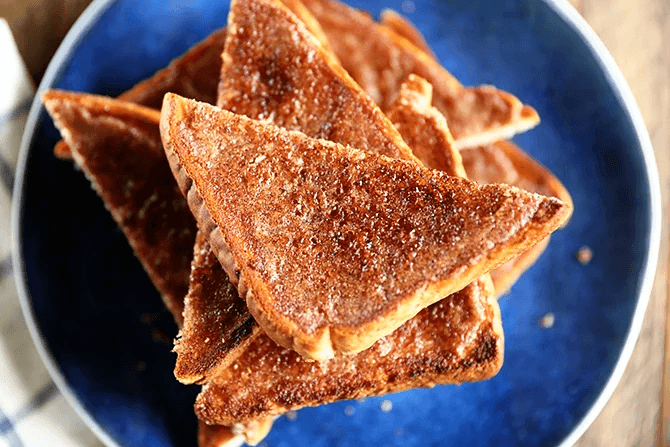
Try This Recipe By Southernbite
Not cinnamon toast crunch cereal — actual cinnamon toast, made with bread and real butter and the cinnamon sugar mixture your parents kept in a jar by the toaster.
This is the after-school snack, the Saturday morning treat, the thing you made yourself when you were old enough to use the toaster but not old enough to cook much else.
Two minutes from hunger to the best possible outcome.
Strawberry shortcake from scratch:
Strawberry shortcake is the taste of American summer — it shows up at Fourth of July celebrations, backyard barbecues, and June birthdays when strawberries are at their absolute peak.
The combination of warm buttery biscuit, cold macerated strawberries, and fresh whipped cream is one of those seasonal foods that tastes completely different when you eat it in its proper time and context.
Classic tomato sauce spaghetti:
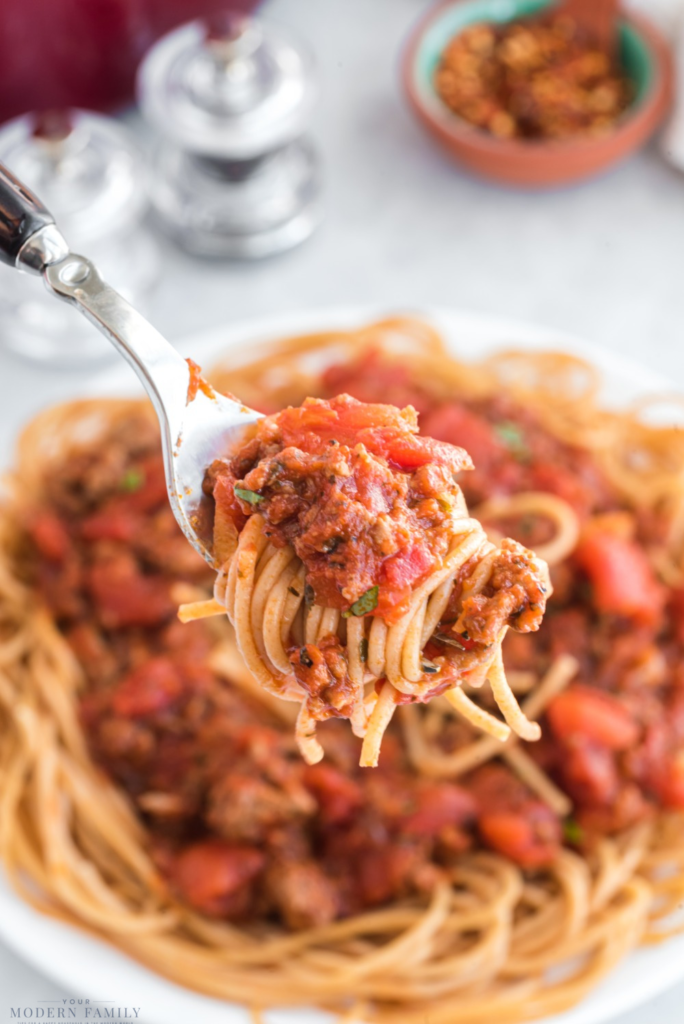
Try This Amazing Recipe By Yourmodernfamily
For so many Americans, spaghetti with tomato sauce is the first meal they remember — the pasta nights, the garlic bread, the jar of parmesan passed around the table.
It’s the family dinner that required no occasion, that appeared on weeknights when everyone was hungry and someone put a pot of water on and the evening organized itself around the table. That easiness is part of what makes it nostalgic.
Warm brownies:
Brownies from a box have their place and nobody is above them. But brownies made from scratch — with real melted chocolate, real butter, the batter scraped from the bowl with a finger while nobody is looking — occupy a different nostalgic register entirely.
The fudgy center, the crinkled top, the squares cooling on the counter in a kitchen that smells like chocolate and butter and something good happening — that’s the memory.
Biscuits and gravy — the Sunday morning kind:
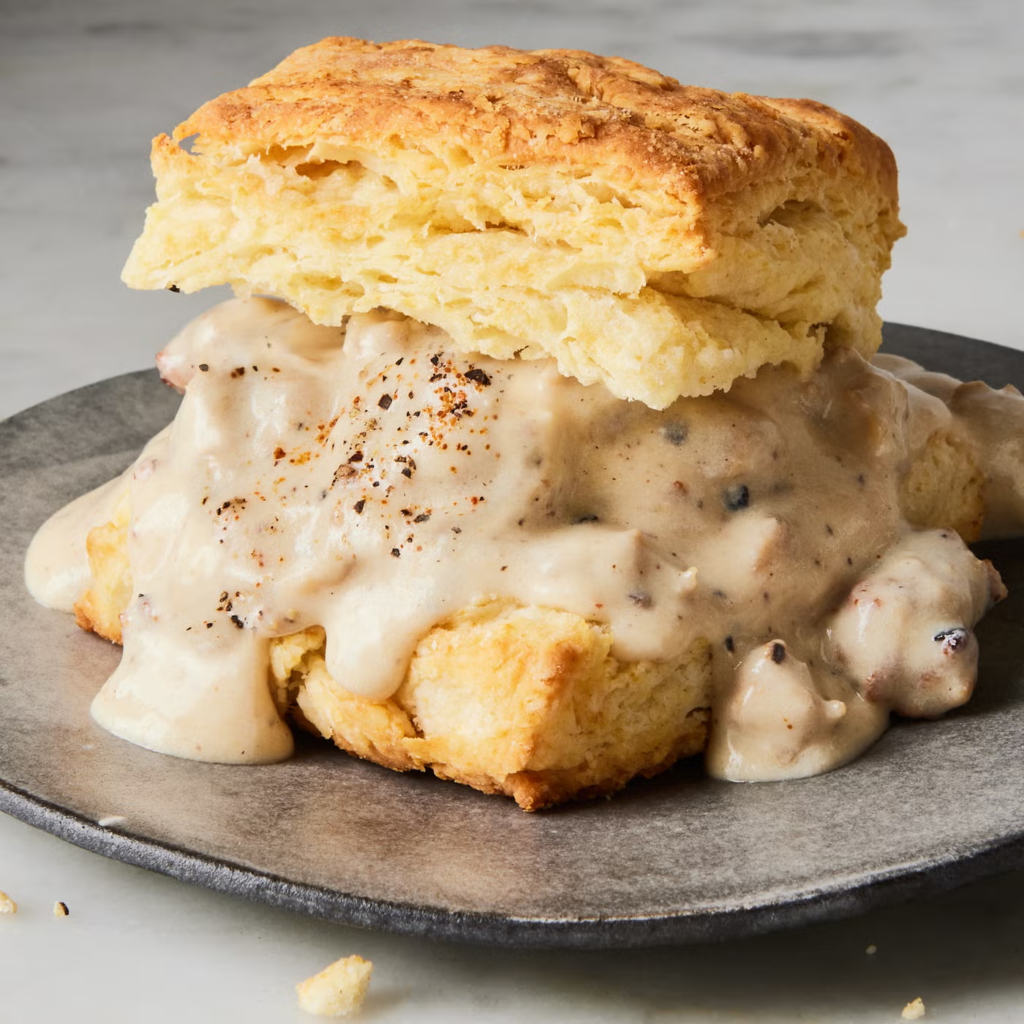
Try This Amazing Recipe By Delish
Biscuits and gravy is one of the great regional American comfort foods — beloved across the South and Midwest and deeply tied to weekend mornings, diners, and the specific feeling of a day with nowhere to be.
The combination of flaky homemade biscuits swimming in creamy sausage gravy is the kind of meal that makes you feel like you’re exactly where you’re supposed to be, which is the whole point of nostalgic food.